
7 Reasons to Switch to Biodegradable Cleaning Supplies
Last Updated: November 12, 2026
Quick Summary
Switching to biodegradable cleaning supplies reduces chemical exposure on the surfaces you touch daily, keeps harsh fumes out of your indoor air, and lowers the chemical load that reaches rivers, lakes, and soil after the rinse. Biodegradable cleaning ingredients are designed to break down in wastewater treatment or a septic tank instead of lingering.
- Read the full ingredient list, not the front label, since biodegradable is not a strictly enforced term.
- The EPA's Safer Choice program reviews every ingredient and requires biodegradability standards for ingredients going down the drain.
- Concentrated and powdered formulas often cost more upfront but bring the cost per load or cleaning down.
- Follow the dose on the package, because using more product adds unnecessary load to your septic tank or treatment plant.
- Check for septic safe labels and never mix cleaning products, since bleach with ammonia or acids can create dangerous gases.
Ready to switch your cleaning routine?Handmade, fragrance-free laundry powders and soaps with every ingredient on the label.
Shop Biodegradable Cleaners
Table of Contents
- What Is Green Cleaning and Why It Starts With Biodegradable Supplies
- 1. Biodegradable Cleaning Products Reduce Chemical Exposure at Home
- 2. Safer Ingredients Mean Better Indoor Air Quality for Families and Pets
- 3. Less Water Pollution and Soil Contamination After the Rinse
- 4. Eco-Friendly Cleaning Products Examples That Cut Plastic and Packaging Waste
- 5. How to Choose Biodegradable Cleaners Without Getting Fooled by Labels
- 6. Plastic-Free Cleaning Supplies, Wastewater, and Septic-System Reality
- 7. Do They Work? Performance, Dilution, and Cost Per Use Compared
- Frequently Asked Questions
What Is Green Cleaning and Why It Starts With Biodegradable Supplies
Green cleaning is the practice of cleaning your home with products made from plant-based or naturally derived ingredients that break down safely after use. At Prairie Fire Candles, we think of it as cleaning that works with the environment instead of against it.
The core idea is simple. A product is biodegradable when microbes in soil and water can break its ingredients down into harmless natural elements. Conventional cleaners often rely on synthetic chemicals that linger for years.
Why does that matter for your home? Because whatever you spray on a counter or pour down a drain ends up somewhere. It touches your air, your skin, and your local water supply.
Below, we walk through seven reasons to switch to biodegradable cleaning supplies, plus how to spot real claims from marketing noise. The first reason hits closest to home.
1. Biodegradable Cleaning Products Reduce Chemical Exposure at Home
Biodegradable cleaning products are designed so their ingredients break down rather than build up on surfaces you touch every day.
Think about where you clean most. Countertops, sinks, tables, and floors. These are the same surfaces where food goes and where kids and pets spend time.
A common mistake is assuming "natural" on a label means safe. It doesn't. What matters is the actual ingredient list and how quickly those ingredients degrade.
Switching the products you use most, like laundry and surface cleaners, is a practical first step. Small changes in the rooms you use daily make the biggest difference.
2. Safer Ingredients Mean Better Indoor Air Quality for Families and Pets
Indoor air can carry more pollutants than outdoor air, and cleaning products are one source (the EPA). Safer ingredients mean fewer harsh fumes in the rooms where your family sleeps, eats, and plays.
For people with scent sensitivities, strong synthetic fragrances and dyes are common concerns, and fragrance-free and dye-free formulas avoid them.
For people with severe skin sensitivities, fragrance-free and dye-free formulas are one place to start. If that describes you, our guide on choosing natural laundry detergent for sensitive skin walks through what to look for.
Pets are another reason to care. They live low to the floor and lick their paws, so residue on surfaces reaches them fast. Rinsing well and choosing simple formulas protects them too.
3. Less Water Pollution and Soil Contamination After the Rinse
What goes down your drain doesn't vanish. It travels through pipes to wastewater systems, and from there into rivers, lakes, and soil. Biodegradable cleaners reduce the chemical load that arrives there.
Conventional detergents can carry phosphates and other compounds that harm water quality. When these build up, they can feed algae growth and stress local ecosystems.
Biodegradable ingredients are designed to break down into simpler parts during wastewater treatment.
You won't see this benefit on a label. But it's the quiet reason green cleaning matters beyond your four walls.
4. Eco-Friendly Cleaning Products Examples That Cut Plastic and Packaging Waste
Plastic waste is where eco-friendly cleaning products can make a visible difference. Many come in concentrated formulas or reduced-plastic packaging.
Here are real examples of what to look for:
- Powdered laundry detergent in a resealable bag instead of a heavy plastic jug
- Concentrated cleaners you dilute at home, so one small bottle lasts months
- Bar soaps and soap flakes with no bottle at all
- Refill pouches that use far less plastic than a new bottle
- Cardboard-packed products that recycle easily
Our Clean and Fresh collection is a good place to browse if you want to see these ideas in practice. And if you want to go further, our guide on how to reduce plastic waste at home covers the rooms beyond the cleaning closet.
5. How to Choose Biodegradable Cleaners Without Getting Fooled by Labels
The fastest way to choose biodegradable cleaners is to read the ingredient list, not the front label. Words like "green" and "eco" are marketing. The back of the bottle tells the truth, but only if you know what you're looking at.
Start with what "biodegradable" actually means in practice. A substance is biodegradable when microorganisms can break it down into simpler compounds like water, carbon dioxide, and biomass. But breakdown depends on the ingredient and the conditions it meets: temperature, oxygen, microbial population, and time. A label that says "biodegradable" without specifying a timeframe or test method tells you very little.
It also helps to separate three terms that get used interchangeably but mean different things:
- Biodegradable means microbes can break the product down over time. It says nothing about how long that takes or what intermediate compounds form along the way.
- Compostable means the product breaks down under specific composting conditions (usually controlled heat and moisture) within a defined period, leaving no toxic residue. A compostable item is not necessarily something you should toss in your backyard bin.
- Non-toxic means the product is not harmful to humans or the environment at expected exposure levels. A non-toxic cleaner can still be non-biodegradable, and a biodegradable cleaner can still contain irritants.
Use this checklist before you buy:
- Scan the full ingredient list, not just the headline claims
- Look for short lists with recognizable plant-based ingredients
- Check for "fragrance-free" and "dye-free" if you have sensitivities
- Look for third-party certification seals where available
- Avoid vague terms like "natural blend" with no ingredients listed
- Prefer concentrated or powder formulas to cut packaging waste
- Match the product to your washer or surface type
On certifications, a few third-party programs carry weight because they require ingredient disclosure and independent review. The U.S. Environmental Protection Agency's Safer Choice program reviews every ingredient against human health and environmental criteria and requires products to meet biodegradability standards for the ingredients that go down the drain.
Watch out: "biodegradable" is not a strictly enforced term on its own, so a bold claim on the front means little without an ingredient list to back it up.
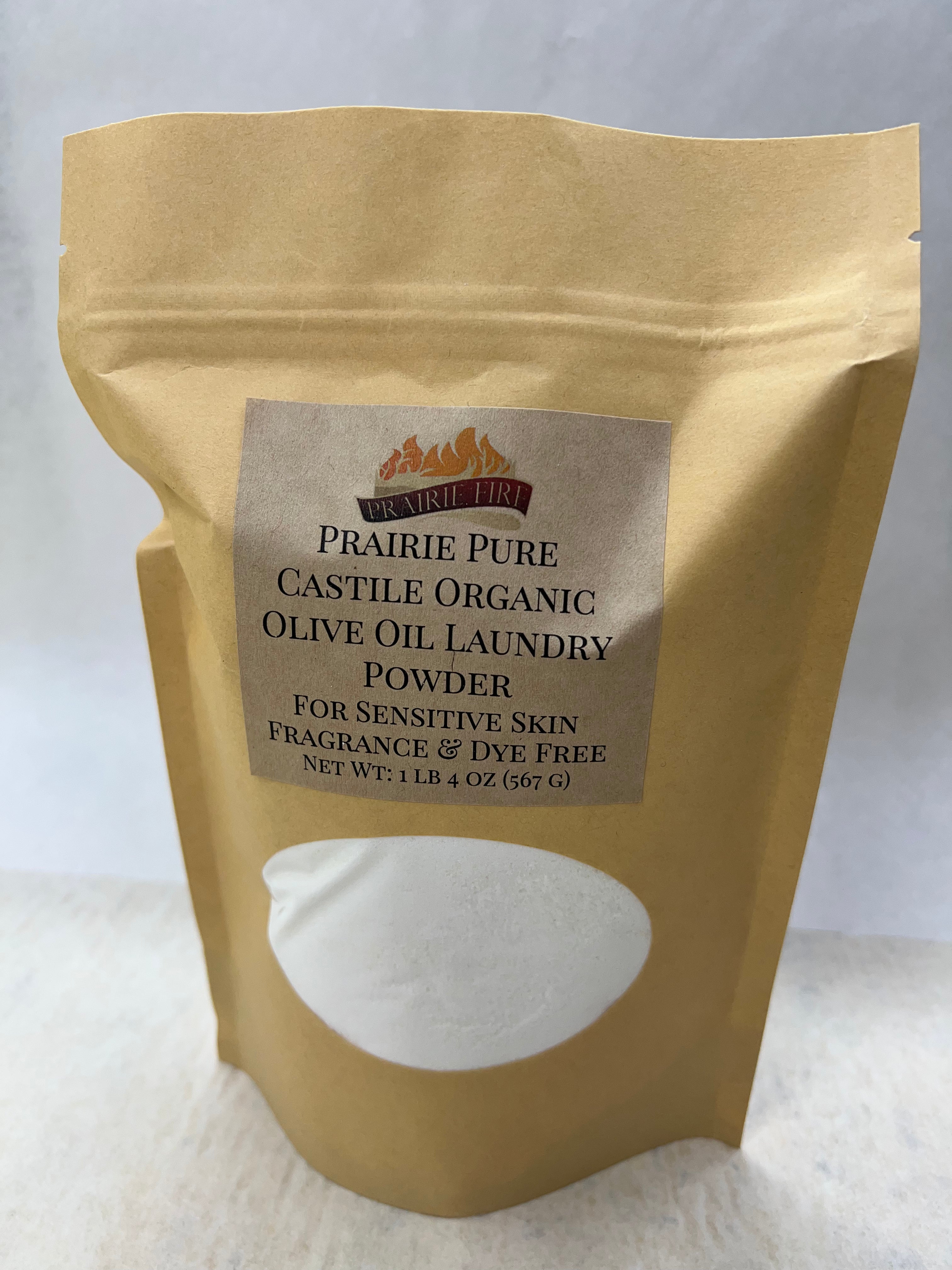
If you want a concrete example, our fragrance and dye free castile laundry powder lists every ingredient on the label, which is exactly the transparency to look for.
6. Plastic-Free Cleaning Supplies, Wastewater, and Septic-System Reality
What goes down your drain enters one of two paths, and the difference matters for how biodegradable your cleaner really is. If your home is on a municipal sewer system, the water and everything in it travels to a wastewater treatment plant. If you have a septic system, the waste flows into a tank in your yard where bacteria do the work.
In a municipal system, treatment typically involves physical screening, settling, and biological treatment where microorganisms consume organic matter. That biological stage is where biodegradable ingredients have an advantage: microbes can break them down alongside other waste, so fewer synthetic compounds pass through to rivers, lakes, or biosolids. But treatment plants vary widely in capacity and process, and not every compound is fully removed.
A septic system works differently. The tank relies on a living bacterial population to break down solids and grease, and the drain field handles the liquid that flows out. Harsh synthetic chemicals, especially disinfectants, solvents, and large volumes of anything, can disrupt that bacterial balance.
If your home runs on a septic system, check labels for "septic safe." A few practical rules apply to any cleaner, green or not:
- Follow the dose on the package. More product does not mean a cleaner surface, and it adds unnecessary load to the tank or treatment plant.
- Avoid pouring large volumes of any cleaner, including biodegradable ones, directly down the drain in a single session.
- Do not mix cleaning products. Combining bleach with ammonia or acids can create dangerous gases, and mixing different formulas can produce compounds neither label anticipated.
- Space out heavy cleaning tasks when you can, so the system is not hit with a concentrated dose all at once.
A common mistake is pouring large amounts of any cleaner down the drain, even a green one. More is not better. Follow the dose on the package and let the product do its job.
7. Do They Work? Performance, Dilution, and Cost Per Use Compared
Yes, biodegradable cleaners work, but they ask you to follow the dose. Most complaints about green products trace back to using too much or too little, not to weak ingredients.
Dilution is where cost per use gets interesting. A concentrated or powdered formula often costs more per bag or bottle upfront but lasts far longer than a ready-to-use spray. That usually brings the cost per load or per cleaning down.
Here's how the main options compare:
| Option | Best For | Watch For |
|---|---|---|
| Powdered laundry soap | Sensitive skin, septic homes | Measuring the right dose per load |
| Concentrated liquids | Frequent surface cleaning | Over-diluting and wasting product |
| Bar soap and flakes | Zero-plastic routines, DIY | Learning the right amount to use |
| Ready-to-use sprays | Quick touch-ups | Higher cost per use over time |
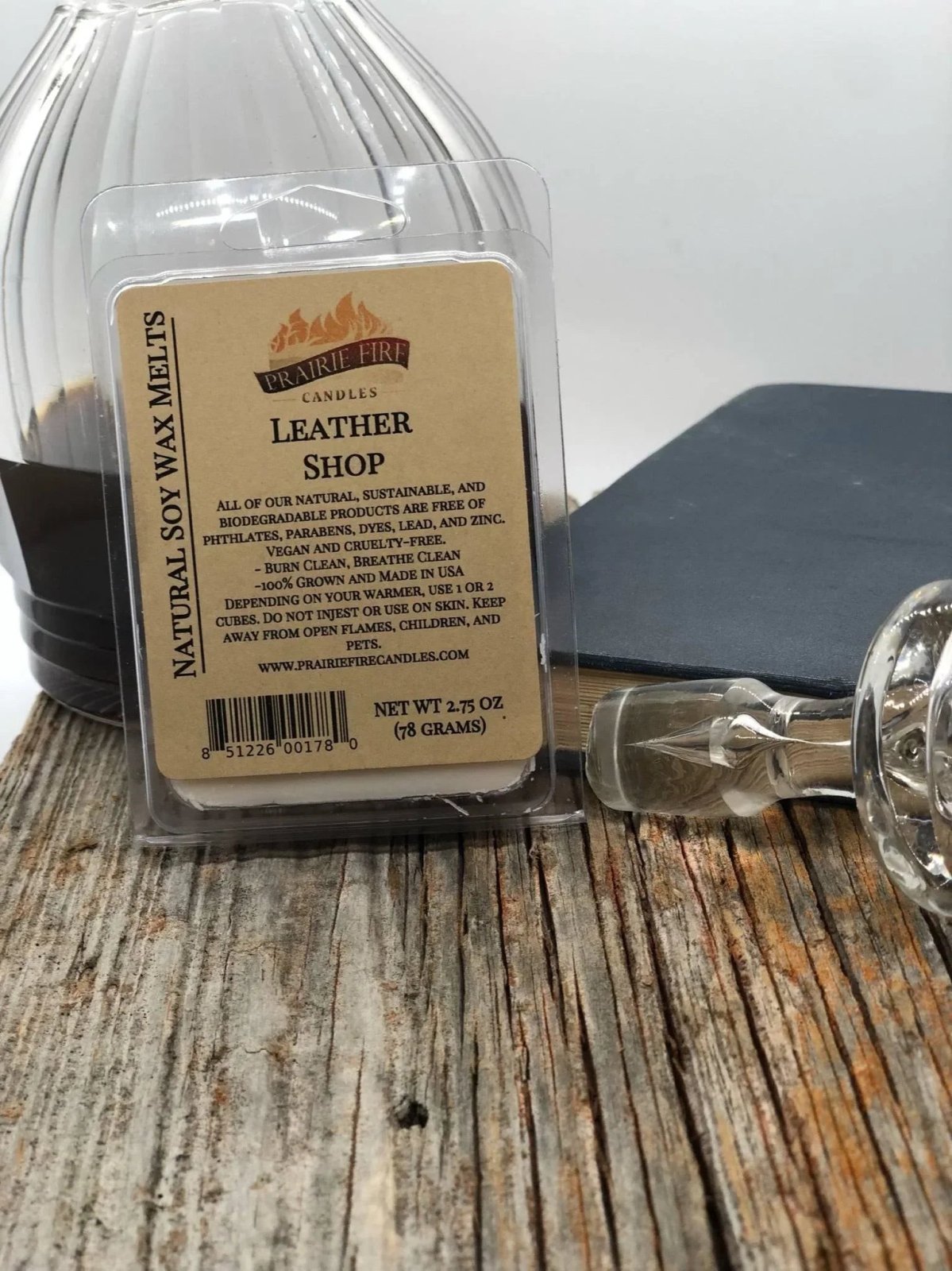
If you want a powder to compare, our beef tallow laundry detergent powder is one option to consider.
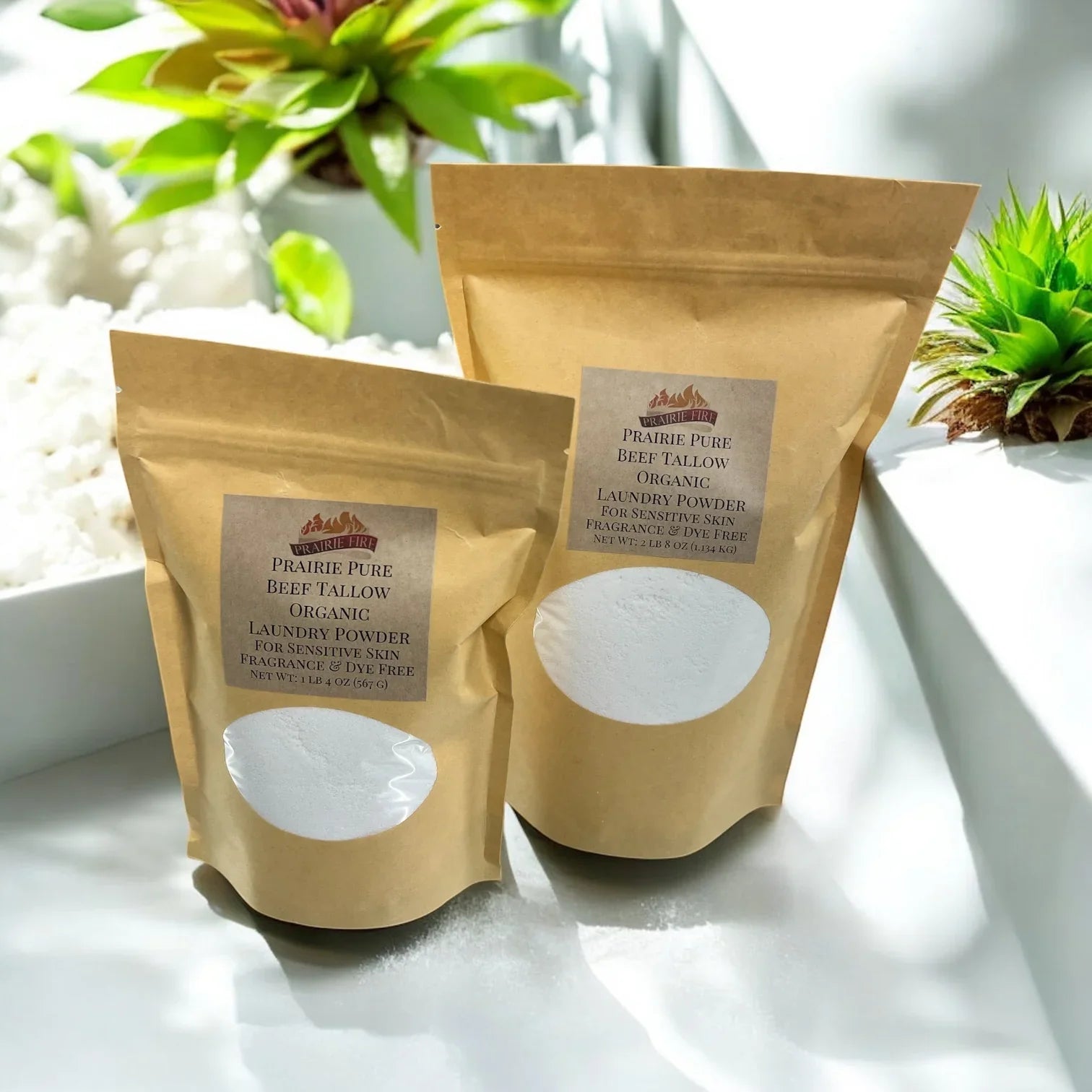
Switching to biodegradable cleaning supplies doesn't require changing everything at once. Start with the products you use most, read the labels, and follow the dose. Prairie Fire Candles makes this easier with handmade, small-batch laundry powders and soaps. Get started with Prairie Fire Candles and build a cleaner home routine, one simple product at a time.
Frequently Asked Questions
What are biodegradable cleaning supplies, and how do they break down?
Biodegradable cleaning supplies are made with ingredients that microorganisms in soil and water can break down into simple, harmless compounds over time. Plant-based ingredients like saponified olive oil, coconut-derived surfactants, and citric acid degrade far faster than petroleum-based synthetic chemicals. The practical question is how completely and how quickly they break down, which is why ingredient transparency and third-party certification matter more than the word biodegradable printed on the front of the bottle.
Do biodegradable cleaning products work as well as conventional cleaners?
For everyday household cleaning, yes. Concentrated formulas and measured dilution do most of the work, and plant-based cleaners handle grease, grime, and laundry soil well when you follow the dose on the label. Heavier jobs like soap scum or set-in stains may need a longer dwell time or a second pass. The real difference shows up in cost per use: concentrated biodegradable cleaners often clean as many loads or surfaces per dollar as conventional options once you stop over-pouring.
How can I tell whether a cleaning product is truly biodegradable?
Read the back label, not the front. Look for a full ingredient list, a third-party certification such as Safer Choice or a recognized biodegradable seal, and clear dilution instructions. Be skeptical of vague claims like eco-friendly with no ingredient list behind them. A product that lists every ingredient, names its plant-based sources, and states how it should be used gives you something to verify, which is the whole point of how to choose biodegradable cleaners.
Are biodegradable cleaners safe for septic systems and people with sensitive skin?
Biodegradable cleaners are generally gentler on septic systems because their ingredients break down instead of accumulating in the tank and drain field. For sensitive skin, choose fragrance-free and dye-free formulas, since fragrance and dye are common irritants regardless of how biodegradable the base ingredients are. Prairie Pure Castile Organic Olive Oil Laundry Powder, for example, is fragrance and dye free, septic safe, and made from saponified organic olive oil, sea salt, and distilled water.

Tags:
Previous
9 Best Organic Tallow Soaps for Travel and Trial Use
Next
Soy vs Beeswax: Non Toxic Candle Burning Time Comparison
Related articles
How Long Do Natural Candles Burn?
Nov 07 2026
Zero Waste vs Low Waste Lifestyle Explained
Nov 05 2026