

Zero Waste vs Low Waste Lifestyle Explained
Last Updated: November 5, 2026
Quick Summary
Zero waste vs low waste comes down to chasing an ideal versus making real progress. Zero waste aims to send nothing to landfill at all, while low waste accepts that some waste is unavoidable and focuses on cutting it down steadily. Most people start strict and settle into low waste within a few months.
- Zero waste follows a strict hierarchy of refuse, reduce, reuse, recycle, and rot, with recycling treated as a last resort.
- Low waste usually wins on effort and consistency, while zero waste can divert more waste per household that stays with it.
- Buying a full set of glass jars and refill gear before changing any habits is the most common way the strict version fails.
- Start with low waste unless your household is small, well-funded, and close to package-free shopping.
- Track two numbers to begin: how full your trash bin gets and how often you reuse instead of discard.
Table of Contents
- Zero Waste vs Low Waste: The Core Difference
- Side-by-Side Comparison: Effort, Cost, and Results
- The 5 R's of Zero Waste in Practice
- Zero-Waste Examples You Can Copy This Week
- How to Reduce Plastic Waste at Home Without Overhauling Your Life
- The Downsides of a Zero-Waste Lifestyle Nobody Mentions
- Tracking Progress: Measuring Trash Volume and Reuse Frequency
- Picking Your Starting Point: A Low-Waste First Step
- Frequently Asked Questions
Zero Waste vs Low Waste: The Core Difference
Zero waste vs low waste is the difference between chasing an ideal and making real progress.
The short answer: zero waste is a philosophy and a target. Low waste is a practice you can start tonight.
That distinction matters because most people quit the stricter version within weeks.
Zero waste is a lifestyle built on preventing discarded materials from ever entering the waste stream.
Low waste is a lifestyle that accepts some landfill waste while steadily reducing trash volume through intentional choices.
Both approaches share the same direction. They differ in how hard they push and how much they ask of you.
What Counts as Waste, and Where You Draw the Line
Waste is anything you buy, use, and then discard. That includes packaging, food scraps, worn-out items, and the hidden material behind a purchase.
Where you draw the line is personal. Some households count only what leaves in the trash bin. Others count recycling and compost too, since both still consume energy and resources.
A practical boundary helps. Decide three things: what you count, where you count it, and how often. A kitchen-only count once a week is enough to see change.
Goals and Principles of Each Approach
Zero waste follows a strict hierarchy: refuse first, then reduce, reuse, recycle, and rot. The first two rules do most of the work, and recycling is treated as a last resort rather than a win.
Low waste uses the same hierarchy but weights it toward what's realistic. A low-waste household might accept a plastic bag when nothing else is available and compensate elsewhere.
Neither approach requires a perfect pantry, a dedicated freezer, or a specialty store within walking distance. That's the thing nobody tells you about the strict version: it often assumes access and money that most households don't have.
Side-by-Side Comparison: Effort, Cost, and Results
Low waste usually wins on effort and consistency, while zero waste can divert more waste per household that stays with it.
| Factor | Zero Waste | Low Waste |
|---|---|---|
| Definition of success | Nothing to landfill or incinerator | Measurable reduction in trash volume |
| Time per week | High and constant: multiple stores, bulk planning, refill logistics | Moderate and front-loaded: one room, then the next |
| Upfront cost | Higher: glass jars, refill containers, specialty tools | Lower: uses containers and cloths already in the house |
| Ongoing cost | Can be higher per ounce at refill and bulk shops | Usually flat or lower as disposables drop out |
| Learning curve | Steep, with a long list of rules to internalize | Gentle, one swap at a time |
| Waste diverted | Highest possible when maintained | Meaningful and rising, with a higher completion rate |
| Staying power | Hard for most households past the first month | Easy to maintain through busy weeks |
| Best fit | Small, well-resourced homes near package-free retail | Busy families, renters, beginners, caregivers |
| Failure mode | Quitting entirely after one missed week | Plateaus when swaps stop being added |
The cost gap is real but often overstated.
Results follow effort, but not in a straight line.
Accessibility changes the math. Disability, income, housing type, caregiving load, and local infrastructure all shape what is possible.
Watch out: buying a full set of glass jars and refill gear before you have changed any habits is the most common way the strict version fails.
The 5 R's of Zero Waste in Practice
The 5 R's of zero waste are refuse, reduce, reuse, recycle, and rot, in that order. The sequence is the point: the first three prevent waste, and the last two handle what's left.
- Refuse: say no to freebies, samples, straws, and extra bags you didn't ask for.
- Reduce: buy less overall, and choose durable goods over disposable ones.
- Reuse: repair what breaks, repurpose containers, and upcycle fabric before discarding it.
- Recycle: sort correctly and know what your local program actually accepts.
- Rot: compost organic waste so food scraps return to soil instead of landfill.
Most people jump straight to recycling because it feels productive. In practice, recycling is the weakest link: material recovery rates stay low, and contamination ruins whole batches.
Refuse is the hardest habit and the most effective. Every item you never accept never needs sorting, storing, or hauling.
Zero-Waste Examples You Can Copy This Week
Zero-waste examples work best when they cost almost nothing and take under five minutes. These are the swaps that stick.
- Swap bottled soap for bar soap wrapped in paper or sold loose.
- Carry a cloth tote and two produce bags in your car or bag.
- Keep a lidded container in the kitchen for food scraps.
- Replace paper towels with a stack of cut cotton cloths.
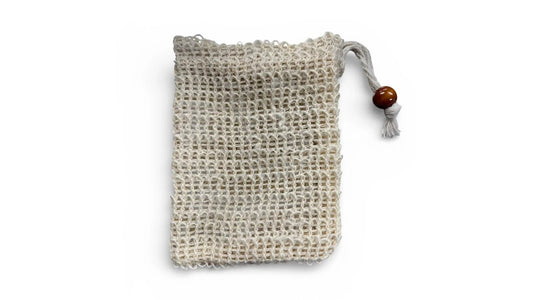
- Use a soap saver pouch so bar soap lasts to the last sliver instead of dissolving in the dish.
That last one is a small habit with an outsized effect. Our natural plant-based sisal soap saver pouch is $3.99, plastic-free, compostable, and made from renewable sisal fiber, with a wooden bead and drawstring so the bar dries between uses.

None of these require a bulk store, a new appliance, or a weekend of research. Start with two and add a third next month.
How to Reduce Plastic Waste at Home Without Overhauling Your Life
Reducing plastic waste at home starts in one room, not the whole house.
Natural Plant-Based Sisal Soap Saver Pouch | Zero-Waste Exfoliating Soap Bag →
Bathrooms are the easiest win. Shampoo bottles, soap wrappers, razors, and cotton swabs all have low-waste replacements that cost about the same.
Kitchens come next. A lidded bin for scraps, a set of cloths, and one refillable bottle for cleaning spray handle most of it.
Watch out: replacing every plastic item at once is the most common way this fails.
For a deeper set of room-by-room steps, our guide on how to reduce plastic waste at home walks through the kitchen, bathroom, and laundry one at a time.
The Downsides of a Zero-Waste Lifestyle Nobody Mentions
The downsides of a zero-waste lifestyle are real, and most guides skip them. The strict version can be expensive, time-consuming, and quietly discouraging.
- Cost: glass, bulk bins, and refill shops often cost more per ounce than packaged goods.
- Time: shopping at three stores to avoid packaging eats a whole afternoon.
- Access: rural and low-income areas frequently have no bulk options at all.
- Guilt: missing a target you set for yourself is demoralizing, and most people quit rather than adjust.
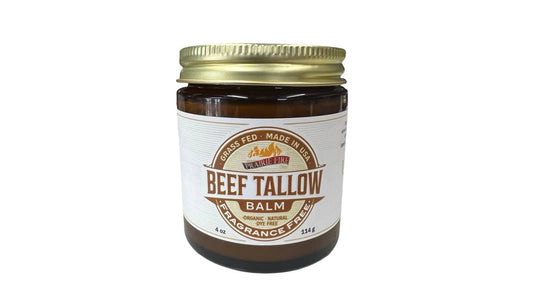
- Trade-offs: some "natural" swaps carry their own environmental cost, which is why a balanced look at materials matters. Our article on whether grass fed tallow is sustainable examines one of those trade-offs honestly.
The bigger issue is framing. Individual action matters, but household waste is a small share of total municipal solid waste, and product design and packaging decisions sit with manufacturers.
That doesn't make low waste pointless. It makes it a starting point rather than a solution, and it takes the pressure off being perfect.
Tracking Progress: Measuring Trash Volume and Reuse Frequency
Tracking progress turns a vague intention into something you can actually see, and it is the part most guides skip.
Start with a baseline week.
For trash volume, pick one bin and mark a line at the start of each week.
For reuse frequency, keep a simple tally on the fridge.
| What to Track | How to Measure | What Good Looks Like |
|---|---|---|
| Trash volume | Weekly bin level against a marked line | Steady decline over 8 weeks |
| Single-use items avoided | Daily tally of refused or replaced items | Rising week over week |
| Reuse frequency | Marks for refills, repairs, and cloth swaps | Consistent, not spiky |
| Recycling rate | Bin fullness plus a visual contamination check | Cleaner sorting, less contamination |
| Compost output | Container fills per month | Consistent volume, no odor issues |
| Cost savings | Monthly household spend on disposables | Flat or lower after swaps |
A waste audit once a quarter keeps the numbers honest.
Interpret the numbers with care. Trash volume can fall simply because you bought less, not because you changed habits.
Watch out: chasing a perfect zero on the trash tally can push you toward burning or dumping items quietly, which defeats the purpose.
Picking Your Starting Point: A Low-Waste First Step
Start with low waste, not zero waste, unless your household is small, well-funded, and close to package-free shopping.
If you're weighing a first product switch and your skin reacts easily, check whether natural alternatives suit sensitive skin before committing to a full routine change.
Here's how we'd sequence the first month:
- Week one: pick one room and count what's in its trash.
- Week two: swap two disposable items for reusable ones you already own.
- Week three: set up a scrap container and find your nearest compost option.
- Week four: replace one running-out product with a low-waste version.
Our fragrance-free castile options are built for exactly that fourth step. The 3-pack of organic olive oil castile soap is $24.99 for three 4.25 oz bars, made with certified organic extra virgin olive oil and distilled water, fragrance-free and dye-free, and handcrafted on site.

The hardest part isn't finding swaps. It's starting small enough to keep going past week three. Pick one room, change two habits, and measure the bin.
At Prairie Fire Candles, we make everyday products such as fragrance-free castile soap, grass-fed beef tallow soap bars, and sisal soap saver pouches.
Browse Prairie Fire Candles to find low-waste products for your routine.
Frequently Asked Questions
What is the difference between zero-waste and low-waste living?
Zero waste aims to send nothing to landfill, which in practice means refusing most packaging and single-use products outright. Low waste accepts that some waste is unavoidable and focuses on reducing it steadily. In a zero waste vs low waste comparison, the honest difference is intensity, not direction: both cut landfill waste and single-use plastics, but low waste leaves room for the packaging you cannot avoid and for the budget and time you actually have.
What are the 5 R's of zero waste, and do I have to follow them in order?
The 5 R's are refuse, reduce, reuse, recycle, and rot (compost). The order matters more than the list: refusing a free plastic bag prevents waste before it exists, while recycling only recovers material after you have already bought it. Start with refuse and reuse, since those cost nothing. Recycling and composting come last because they handle what you could not avoid, and recycling rates for many household plastics remain low.
What are the downsides of a zero-waste lifestyle?
The main downsides are cost, time, and accessibility. Refill shops and package-free groceries are not in every town, bulk buying often costs more per ounce, and cooking from scratch takes hours. There is also a mental load: tracking every scrap of packaging gets exhausting, and a single missed item can feel like failure. Low waste exists partly because strict zero waste is hard to sustain long term for most households.
Can a low-waste lifestyle actually make a difference?
Yes, at the household level. A simple waste audit, where you weigh or count your trash for one week, usually shows that packaging and food scraps dominate. Swapping bar soap for bottled body wash, using a soap saver pouch to get every last bit of a bar, composting food scraps, and carrying reusable bags all cut trash volume measurably. Individual action does not replace policy change, but it does shrink what your household sends to landfill.
How do I start reducing plastic waste at home without trying to be perfect?
Pick one room and one habit. The bathroom is usually easiest: switch to bar soap, add a compostable sisal soap pouch so bars last longer, and replace liquid shampoo with a bar when the bottle runs out. Then set a baseline by counting your trash bags for a week and recheck after a month. Progress you can measure beats a perfect setup you abandon in three weeks.

Tags:
Related articles
Is Grass Fed Tallow Sustainable? A Balanced Look
Oct 31 2026
How Can You Reduce Plastic Waste at Home?
Oct 26 2026
How to Understand Why Artisan Candles Cost More
Oct 24 2026