
How to Choose Artisan Skincare That Works for You
Last Updated: October 28, 2026
Quick Summary
Artisan skincare is made in small batches by hand, using short ingredient lists built on recognizable fats and oils rather than fillers. Choosing it means fewer potential irritants, fragrance-free options, and traceable sourcing, though batch consistency varies and you must still verify preservation and shelf life.
- Count ingredients when reading a label: under ten is a good sign.
- Anhydrous balms and salves often last 6 to 12 months if stored cool.
- Water-based creams need a declared preservative system to be safe.
- Compare cost per use, not cost per ounce, before judging value.
- Start with one sample bar and one balm, then patch test for a week.
Table of Contents
- Why Choose Artisan-Made Skincare Products
- The Benefits of Handmade Skincare Products
- Handmade Skincare Ingredients: What to Look For and What to Skip
- Artisan Skincare for Sensitive Skin and Eczema-Prone Skin
- Artisan-Made vs. Mass-Produced Skincare
- How to Verify Safety, Preservation, and Shelf Life
- Cost, Value, and What You Actually Pay For
- Start With a Sample Bar and One Balm
- Frequently Asked Questions
Why Choose Artisan-Made Skincare Products
Walk into any drugstore aisle and you'll find shelves of moisturizers with ingredient lists longer than a receipt. That's the exact reason many shoppers now ask why choose artisan made skincare products instead. Artisan skincare is skincare made in small batches by hand.
The Benefits of Handmade Skincare Products
Fewer ingredients also means fewer surprises. A minimalist balm built on tallow and olive oil does one job well rather than ten jobs poorly.
Fewer Ingredients, Fewer Irritants
- Fragrance-free means no added scent and no masking agents, which matters if you react to smells.
- Dye-free formulas remove a category of additives your skin gains nothing from.
- Simple fat-and-oil bases like tallow and olive oil are close to what skin already produces.
Where Small-Batch Skincare Falls Short
Honesty first: artisan production has real limits. Batch consistency varies more than factory output, so one jar may feel slightly firmer than the last. Small makers also have shorter runs, which means restocks can lag. And "handmade" is not a regulated quality grade, so the label alone proves nothing about safety or sourcing. You still have to check the maker.
Handmade Skincare Ingredients: What to Look For and What to Skip
What to look for:
- Recognizable base oils and fats such as tallow, olive oil, or shea
- The words "fragrance free" rather than "unscented," which can hide masking chemicals
- Short lists you could recite from memory
What to skip:
- Synthetic fragrance and dyes
- Parabens and phthalates if you're avoiding them
- Long lists of fillers that add texture but no benefit
How to Read a Label in 30 Seconds
Run three checks. First, count the ingredients: under ten is a good sign. Second, find the fragrance line: "fragrance free" beats "unscented" every time. Third, look for a batch date or lot number, which signals a maker tracking freshness. For a deeper ingredient breakdown, see our guide to tallow balm ingredients to look for.
Artisan Skincare for Sensitive Skin and Eczema-Prone Skin
A common mistake is assuming "natural" means gentle. Essential oils are natural and can still sting compromised skin, which is why a fragrance-free option matters. If eczema is your main concern, our gentle guide on how to soothe eczema with tallow walks through a careful routine.
Artisan-Made vs. Mass-Produced Skincare
| Factor | Artisan-Made | Mass-Produced |
|---|---|---|
| Ingredient list | Short, recognizable | Often long, with fillers |
| Batch consistency | Varies slightly | Highly uniform |
| Fragrance control | Fragrance-free options common | Synthetic scent standard |
| Availability | Limited runs | Always in stock |
| Price per ounce | Higher | Lower |
How to Verify Safety, Preservation, and Shelf Life
Handmade does not mean safer. It means the safety work is visible, or it is missing. The single most useful question you can ask a maker is whether the product contains water, because water is what turns a jar into a microbial habitat. Preservative systems are essential for stability, yet understanding the artisanal cosmetics benefits inherent in controlled, small-batch production helps clarify why some makers choose to avoid aqueous formulas entirely.
The water-activity rule
Formulas split into two camps, and they carry different risks:
- Anhydrous products, balms, salves, body butters, and bar soaps built on fats, oils, and waxes, contain no added water. With no water phase, bacteria and mold have far less to grow on, so these products typically rely on the ingredients themselves (and low water activity) rather than a preservative system. That is why a tallow balm can sit on a shelf for months without spoiling.
- Water-based products, lotions, creams, toners, and any formula listing water or aloe juice first, need a preservative system. A handmade water-based cream with no preservative is a genuine safety risk, not a purity badge. Look for a declared preservative (common ones include phenoxyethanol, sodium benzoate, potassium sorbate, and naturally derived options like leucidal) or a maker who explains a tested alternative.
Watch Out
If a water-based artisan cream lists no preservative and offers no explanation, treat that as a red flag. "Preservative-free" is only a selling point for anhydrous products.
Contamination routes to control at home
- Scoop balms and creams with clean, dry fingers or a small spatula.
- Keep water out of jars, a wet finger or a splash from the sink introduces the moisture microbes need.
- Let bar soap drain between uses on a slotted dish so it dries fully.
- Store products cool and dry, away from direct sun and steamy bathrooms.
Batch dates, lot numbers, and shelf life
As a working rule of thumb:
- Anhydrous balms and salves: often 6-12 months, longer if stored cool.
- Bar soaps: 12 months or more if kept dry between uses.
- Water-based creams and lotions: shorter windows, and they should carry a preservative and a clear use-by date.
When to discard a product
Stop using anything that shows these signs, regardless of the date on the label:
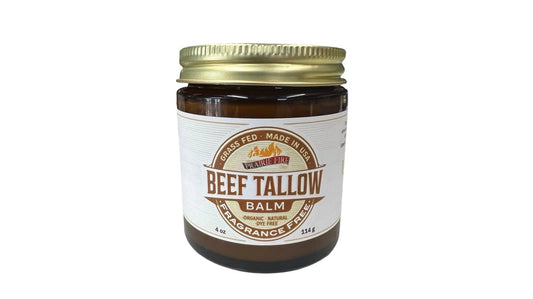
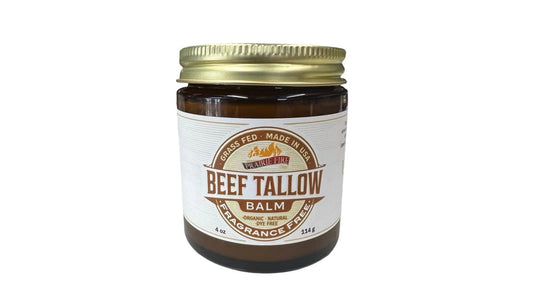
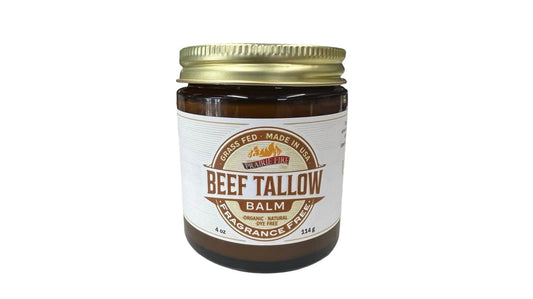
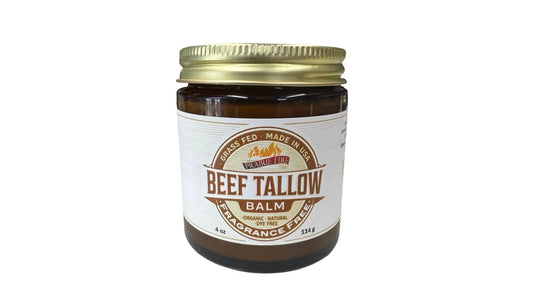
Grass Fed Beef Tallow Balm 4 oz – Organic Natural Skin Moisturizer for Face →
- A change in smell, especially a sour or rancid note
- Separation, curdling, or watery beads on the surface
- Visible mold, fuzz, or discoloration
- A change in texture, graininess or sliminess where there was none
A quick verification checklist
Before you buy, confirm:
- The full ingredient list is published, not summarized.
- The maker states whether the product contains water.
- Water-based products name a preservative system.
- A batch or made-on date is printed on the label.
- Storage and shelf-life guidance is provided.
Cost, Value, and What You Actually Pay For
Artisan products usually cost more per ounce, and that premium is real. The question is whether it buys you anything. To answer it, stop comparing sticker prices and start comparing cost per use, product concentration, and packaging.
Calculate cost per use, not cost per jar
- Cost per use = price ÷ number of uses. A concentrated balm used in pea-sized amounts may deliver 60-90 applications from a small jar; a watery lotion may need a quarter-sized pump per use and run out in a few weeks.
- Cost per ounce is a starting point, not the answer. A dense balm can cost more per ounce and still cost less per use than a cheap lotion, because you use far less each time.
- Factor in packaging. A bar soap with no plastic bottle and no pump is delivering product, not packaging. A pump bottle that dispenses more than you need quietly raises your cost per use.
What the premium actually pays for
When you pay more for artisan skincare, you are typically funding:
- Concentrated formulas, fewer fillers and water mean more of the jar is the ingredient doing the work.
- Small-batch labor, short runs and hand-mixing cost more per unit than a factory line.
- Short ingredient lists, fewer ingredients can mean higher-quality base oils and fats rather than cheap fillers.
- Traceability, a maker who can name the source of a fat or oil is spending time and money on sourcing.
Realistic performance expectations
Artisan products tend to excel at occlusion and barrier support, sealing in moisture with fats and oils, and at simple cleansing with bar soap. They are less likely to deliver the stabilized actives, SPF protection, or clinical treatments that conventional formulations are built around. If you need sun protection or a prescription-level active, an artisan balm is not a substitute.
Packaging and product size
Smaller sizes are not automatically worse value. A trial bar or sample balm lets you test before committing to a full jar, which protects you from paying full price for a product your skin rejects. When comparing sizes, check whether the packaging is refillable or recyclable and whether the container dispenses efficiently. A jar you can scrape clean wastes less than a pump bottle you throw away half full.
A value checklist
Before you decide a product is expensive, ask:
- What is the cost per use, not per ounce?
- How concentrated is the formula, how much do you apply each time?
- Does the packaging waste product or preserve it?
- Is there a sample or trial size to test first?
- Does the product do a job your current routine cannot?
Start With a Sample Bar and One Balm
Start small: one sample bar, one balm, one week of patch testing. That sequence tells you more than any product page. Our beef tallow balm comes in a fragrance-free option built on grass-fed tallow and cold-pressed olive oil, and the trial-size tallow soap bars let you test the cleanser before committing to full size.


Frequently Asked Questions
What are the benefits of handmade skincare products?
Handmade skincare is made in small batches, so the maker controls every step from ingredient sourcing to packaging. Formulas usually contain fewer ingredients, with no fillers, dyes, or synthetic fragrance oils. That simplicity matters if your skin reacts to long ingredient lists. A concentrated balm also delivers more moisture per application than a water-based lotion, so a jar can last longer than the same money spent on mass-market products.
Is artisan-made skincare better for sensitive skin?
It can be, mainly because there is less to react to. A fragrance-free tallow balm with two or three ingredients gives your skin far fewer chances to flare up than a lotion with fragrance, dyes, and preservatives. That said, no product suits every skin type. Patch test on your inner forearm for a few days before using anything on your face, and stop if you notice redness, stinging, or itching.
How can you tell whether a skincare product is truly handmade?
Look for a full ingredient list, batch dates, and a maker who answers questions about their process. Small-batch soap is often aged for weeks before sale, and slow cold-process methods are a sign of hand production rather than industrial manufacturing. Ask where the ingredients come from and whether the maker sells samples. A vendor who invites a trial-size purchase before a full-size one is usually confident in the formula.
How long do small-batch skincare products last?
Shelf life depends on the formula. Anhydrous products like tallow balm contain no water, so they resist spoilage longer than water-based lotions and typically stay good for many months when stored cool and dry. Handmade soap lasts longest if it dries between uses. Ask the maker for a batch date, keep products away from direct sun and heat, and discard anything that smells off or changes texture.
Choosing skincare for reactive skin is a process of elimination, and it rewards patience over hype. Prairie Fire Candles makes small-batch, fragrance-free tallow balms and soaps with short ingredient lists, handcrafted in Kansas and free from parabens, phthalates, and dyes. Start with a sample bar and a jar of balm, patch test, and see how your skin responds. Get started with Prairie Fire Candles and build a simpler routine.

Tags:
Related articles
How Can You Reduce Plastic Waste at Home?
Oct 26 2026
How to Understand Why Artisan Candles Cost More
Oct 24 2026
Tallow Balm vs Plant-Based Oils: Which to Choose
Oct 20 2026