

How to Understand Why Artisan Candles Cost More
Last Updated: October 25, 2026
Quick Summary
Artisan candles cost more because every stage of making them is slower and more expensive than industrial production, with the price gap coming down to four cost centers: materials, labor, small-batch overhead, and testing. Small makers buy wax and fragrance in modest quantities, hand-pour and inspect each jar, and burn-test per batch.
- Mass-produced candles are engineered around volume, automated filling lines, and the cheapest inputs that still hold a scent.
- Fragrance is usually the single largest line item after the vessel in a candle's cost.
- Small-batch overhead is divided across hundreds of jars, not hundreds of thousands.
- Compare candles by cost per burn hour: divide the price by the realistic number of hours it delivers.
- A 9 oz jar is the right entry point for judging burn quality before buying a second candle.
Table of Contents
- The Real Reasons Artisan Candles Cost More Than You Expect
- Artisan Candles vs. Mass-Produced Candles: Where the Money Goes
- Premium Ingredients: Wax, Fragrance, and Sourcing Costs
- Hand-Pouring, Labor, and Small-Batch Production Overhead
- What Makes a Candle High Quality: A Buyer's Checklist
- How Long Do Candles Burn? Comparing Burn Time and Cost Per Hour
- Are Artisan Candles Worth It? Trade-Offs and Limitations
- Choosing Your First Hand-Poured Candle
- Frequently Asked Questions
The Real Reasons Artisan Candles Cost More Than You Expect
Artisan candles cost more because every stage of making them, from the wax in the jar to the hands that pour it, is slower and more expensive than the industrial alternative. At Prairie Fire Candles, we hand-pour every batch on our farm, and the price gap between our jars and a mass-market pillar comes down to four honest cost centers: materials, labor, small-batch overhead, and testing.
Here's the part most shoppers never see. A cheap candle and a good one can look identical on a shelf, yet one is built to hit a price point and the other is built to burn cleanly for hours. Below, we break down where the money actually goes, how to judge quality before you buy, and when an artisan candle is genuinely worth the premium.
Artisan Candles vs. Mass-Produced Candles: Where the Money Goes
An artisan candle is a small-batch, hand-poured product made with carefully sourced wax, fragrance, and wicks, while a mass-produced candle is engineered around volume, automated filling lines, and the cheapest inputs that still hold a scent. That single difference in production model explains most of the price gap.
Industrial manufacturers buy wax by the railcar and fragrance by the drum, and they fill thousands of jars an hour on automated lines. A small maker buys in modest quantities, pours by hand, and inspects each jar. The table below maps the split.
| Cost area | Mass-produced candle | Artisan candle |
|---|---|---|
| Wax sourcing | Cheapest blend available, bought in bulk | Named wax, often soy or beeswax, bought in smaller lots |
| Fragrance | Standardized, cost-capped | Higher-quality fragrance oil, often at higher concentration |
| Labor | Automated filling, minimal hands-on time | Hand-poured, hand-wicked, hand-labeled |
| Testing | Sampled, not batch-by-batch | Burn-tested per batch |
| Packaging | Generic, optimized for shipping volume | Often recyclable or reusable vessels |
None of these line items is dramatic on its own. Stacked together, they explain why a hand-poured jar can cost several times a mass-market one.
Premium Ingredients: Wax, Fragrance, and Sourcing Costs
Wax and fragrance are the two biggest material costs in any candle, and they're also where quality is most easily cut. To understand why an artisan jar costs more, it helps to see how the raw-material bill actually stacks up, not as vague 'premium' claims, but as a rough per-jar picture.
Start with wax. Many shoppers want to know why paraffin candles are bad for you, and the cost gap is part of the answer: the cheap input is cheap for a reason.
Fragrance is the other swing factor, and it's usually the single largest line item after the vessel. A candle's scent throw, both hot throw while burning and cold throw when unlit, depends on the quality and concentration of fragrance oil.
Sourcing adds another layer. Domestically grown and refined wax, phthalate-free and paraben-free fragrance, lead-free and zinc-free cotton wicks: each choice carries a premium the maker absorbs into the retail price. None of these inputs is exotic, but together they set a material floor that a budget candle simply doesn't have.
Key Takeaway
You don't need exact supplier invoices to see the pattern. The material floor of a well-made candle, quality wax, a meaningful fragrance load, and a specified wick, is structurally higher than that of a candle engineered to hit a shelf price. That floor is the first honest reason the sticker price differs.
What this means for you as a buyer: when a label names its wax, discloses its fragrance approach, and specifies its wick, you're looking at a maker who has chosen inputs that cost more and is willing to say so. That transparency is itself a quality signal, and it's the part of the price gap you can actually verify before you buy.
Hand-Pouring, Labor, and Small-Batch Production Overhead
Labor is the cost shoppers underestimate most. A hand-poured candle passes through human hands at nearly every step: wax melting, fragrance blending, temperature control, pouring, wick centering, curing, trimming, labeling, and packing. Each jar takes real time, and that time is the product.
Small-batch production also carries overhead that volume manufacturers spread across millions of units. A small maker's equipment, workspace, utilities, and shipping supplies are divided across hundreds of jars, not hundreds of thousands.
Watch out: the biggest quality failure in hand-pouring is rushing the cure or pouring at the wrong temperature, which causes tunneling, uneven burns, and weak scent.
What Makes a Candle High Quality: A Buyer's Checklist
A high-quality candle burns evenly, throws scent consistently, and uses clean materials, and you can assess all three before you ever light it. Use this checklist the next time you're comparing jars:
Soy Wax Melts | Wax Cubes | Wickless Candles | Small Batch | Vegan →
- Wax is named. The label says soy, beeswax, or a specific blend, not just "premium wax."
- Fragrance is disclosed. Look for phthalate-free and paraben-free language, and whether it's essential oil or fine fragrance.
- Wick is specified. Braided cotton, lead-free and zinc-free, or a wooden wick with a clear description.
- Burn time is stated. A jar this size should list an honest hour range, not a vague claim.
- Vessel is reusable or recyclable. Amber apothecary glass and recyclable clamshells signal a maker thinking past the first burn.
- Care instructions are included. Trimming to 1/4 inch before each burn and letting the melt pool reach the edge are signs of a maker who expects the candle to last.
If you want to see how this checklist plays out across specific products, our guide to the best eco friendly candles applies it to real picks. For a deeper look at the cost side, this breakdown of why non-toxic candles are expensive goes line by line.
How Long Do Candles Burn? Comparing Burn Time and Cost Per Hour
Burn time is where the sticker price stops telling the whole story, and where most candle comparisons fall apart. The fair way to compare a budget jar and an artisan jar is not price per jar, but cost per burn hour: the price divided by the realistic number of hours the candle actually delivers.
Here's the method, step by step, so you can run it on any two candles:
- Find the stated burn time. A well-made soy candle in a 9 oz jar typically burns for 50 or more hours; a larger double-wick 16 oz jar can reach 100 or more. If a label doesn't state an honest hour range, treat that as a warning sign.
- Divide the price by the burn hours. That gives you cost per burn hour.
- Adjust for real-world performance. A candle that tunnels, burns hot and fast, or gives up halfway through delivers fewer usable hours than its label claims. A slower, cooler-burning jar that reaches the edge of the vessel each time delivers closer to its stated range.
Why the adjustment matters: a budget candle that burns hot and fast, tunnels halfway down, and quits early can end up costing more per usable hour than a slower-burning artisan jar, even though its sticker price is lower. Wax type, wick size, fragrance load, and how evenly the candle burns all affect total hours.
The upfront premium buys more usable burn, better scent throw across those hours, and fewer wasted jars, which is the real like-for-like comparison.
Pro Tip
Before you buy, ask two questions: what burn time is stated, and is the wick sized for the vessel? A maker who can answer both is a maker who has done the testing that protects your cost per hour.
So when you're comparing jars on a shelf, don't stop at the price tag. Do the division. Cost per burn hour is the number that tells you which candle is actually the better value, and it's the number a well-made artisan candle is usually built to win.
Are Artisan Candles Worth It? Trade-Offs and Limitations
Artisan candles are worth it when you value clean materials, consistent scent, and a longer burn, and they're not worth it if you're buying purely on upfront price or want a disposable décor piece. Being honest about the trade-offs matters more than a sales pitch.
The limitations are real. Hand-poured candles can show minor batch variation in color or surface texture, since small batches aren't cosmetically identical the way machine-poured ones are. They cost more per jar. And they reward care: skip the wick trimming and you'll get soot and uneven burns that waste the investment. A simple candle wick trimmer solves most of that, and it's the cheapest way to protect a premium jar.

Where artisan wins is performance and peace of mind. Cleaner wax, disclosed fragrance, and real burn testing mean fewer surprises and a candle that behaves the way it was designed to.
Choosing Your First Hand-Poured Candle
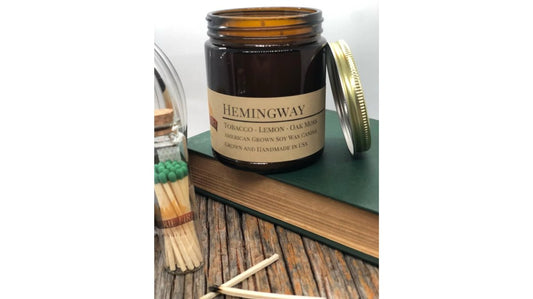
Start with a single mid-size jar in a scent family you already know you like, and judge it on burn quality before you buy a second. Our Hemingway soy wax candle is a 9 oz amber apothecary jar with a 50+ hour burn, braided lead-free and zinc-free cotton wick, and 100% American soy wax, hand-poured on our farm.

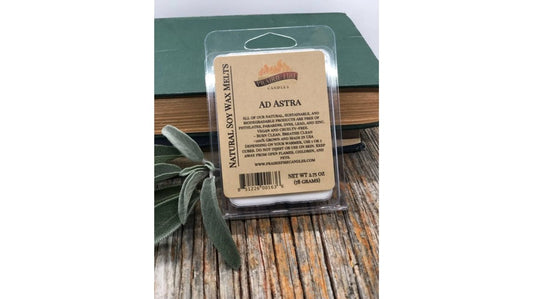
Light it, trim the wick before every burn, and let the melt pool reach the edge each time. If you want to test the waters with something smaller first, our small-batch soy wax melts are a low-commitment way to try a scent before buying a full jar.

The honest challenge with artisan candles is that the value only shows up after the first few burns, which is exactly when a cheap candle starts to fail.
Frequently Asked Questions
Why do handmade candles cost more than mass-produced candles?
Handmade candles are made in small batches, so each one carries more labor per unit: hand-pouring, wick setting, curing, and burn testing all happen at human scale rather than on an automated line. Makers also buy wax, fragrance, and vessels in smaller quantities, which means higher per-unit material costs. Mass-produced candles spread those costs across thousands of units and often use cheaper paraffin blends and synthetic fragrance, which is why the shelf price looks lower.
How can you tell whether a candle is high quality?
Check the label for the wax type, wick material, and net weight, then compare burn time to price. A quality candle lists a lead-free and zinc-free cotton or wooden wick, names its wax (soy, beeswax, or a blend), and gives a realistic burn estimate. Look for phthalate-free and paraben-free fragrance disclosure, a full melt pool after the first burn, and no soot or tunneling. Batch variation is normal in small-batch production, but consistent burn quality is the real signal.
How long do candles burn, and does a longer burn time justify a higher price?
Burn time depends on wax, wick, and vessel size. As a reference, Prairie Fire Candles lists its 9 oz Hemingway soy candle at 50+ hours and its 16 oz Ad Astra double-wick candle at 100+ hours. Divide the price by the burn hours to get cost per burn hour: $19.99 over 50 hours is about $0.40 per hour, and $28.99 over 100 hours is about $0.29 per hour. That math often closes the gap with cheaper candles that burn out fast.
Are artisan candles worth the higher price?
They are worth it if you value clean burning, accurate scent throw, and ingredients you can trace. Artisan makers typically use phthalate-free fragrance, lead-free cotton wicks, and tested wax blends, and they hand-pour in small batches so quality control stays tight. The trade-offs are real: higher upfront cost, batch variation, and limited scent selections. If you burn candles often, cost per burn hour usually favors the artisan option; if you burn rarely, a lower-priced candle may be enough.

Tags:
Related articles
Tallow Balm vs Plant-Based Oils: Which to Choose
Oct 20 2026
Primally Pure Alternative for Sensitive Skin
Oct 12 2026