
How to Treat Eczema with Tallow: A Step-by-Step Guide
Table of Contents
- What Tallow Is and Why It Suits Eczema-Prone Skin
- Tallow Balm Ingredients for Sensitive Skin: What to Look For
- How to Do a Tallow Balm Patch Test Before Wider Use
- How to Use Tallow Balm on Sensitive Skin: A Step-by-Step Protocol
- Eczema Flare Treatment: Using Tallow When Skin Is Cracked, Itching, or Weeping
- Who Tallow Suits, Who Should Skip It, and When to See a Doctor
- Conclusion: Treat Eczema with Tallow as Support, Not a Cure
- Frequently Asked Questions
Last Updated: October 17, 2026
What Tallow Is and Why It Suits Eczema-Prone Skin
Tallow is rendered animal fat, usually from cattle, and it has been used as a skin salve for generations. At Prairie Fire Candles, we render ours in small batches from grass-fed cattle. The reason it draws so much interest from people with eczema comes down to one simple fact: its fatty acid profile is close to the oils your skin already makes.
That similarity matters. Eczema-prone skin often struggles to hold moisture. A rich, oil-based balm can help seal in moisture and calm the dry, tight feeling that comes with a flare-up.
How Tallow Is Made
Making tallow starts with raw fat, which gets slowly heated so the impurities separate out. The clean liquid fat is then strained and cooled into a solid. Good producers render in small batches and keep the process simple. That means fewer chances for additives or contaminants to sneak in.
How Tallow May Support the Skin Barrier
Your skin barrier is the outer layer that keeps water in and irritants out. When it breaks down, skin loses moisture and reacts more easily. Tallow is rich in fatty acids and contains vitamins A, D, and E, all of which play a role in healthy skin. A tallow balm can act as an emollient, softening rough patches and helping seal in moisture after cleansing.

Here is the honest part: tallow is not a proven eczema treatment. It is a moisturizer with a traditional track record. Think of it as support for your skin barrier, not a cure.
Tallow Balm Ingredients for Sensitive Skin: What to Look For
The base ingredient list should be short. A simple tallow balm might contain only rendered tallow and a cold-pressed oil like olive oil. That is the kind of formula we make, with a fragrance-free option for people who react to scent.
Sensitive skin needs you to screen the extras carefully:
- Fragrance: skip anything with added perfume or synthetic fragrance oils
- Essential oils: lavender and citrus smell lovely but can trigger irritation in reactive skin
- Honey and botanical add-ins: fine for some, risky for others
- Dyes and fillers: no reason for them in a balm
If your skin reacts to almost everything, start with the plainest formula you can find. Fewer ingredients means fewer things that can go wrong.

Pro Tip
Look for a balm sold in a small size first. It lets you patch test and use it for a few weeks before committing to a larger jar.
How to Do a Tallow Balm Patch Test Before Wider Use
A tallow balm patch test means applying a tiny amount to one small area and watching it for a day or two before using it anywhere else. It is the single most important step for sensitive skin, and most guides skip it.

Here is how we would do it:
- Pick a small test spot on your inner forearm, away from any active rash.
- Wash and dry the area, then apply a pea-sized amount.
- Leave it uncovered and do not wash it off for 24 hours.
- Check for itching, redness, or swelling.
- If nothing happens, repeat on a second spot for another day.
Stop right away if you notice a reaction. A patch test will not catch every possible issue, but it filters out the obvious irritants before they reach a larger area.
How to Use Tallow Balm on Sensitive Skin: A Step-by-Step Protocol
Using tallow balm well comes down to timing, amount, and knowing when to stop. Apply it to slightly damp skin right after cleansing, when your skin can still hold onto water. A pea-sized amount is typically enough for the face; use roughly a fingertip scoop for each arm or leg, and a thin film for the trunk.
Follow this protocol:
- Cleanse gently with a mild, fragrance-free soap and pat dry, leaving skin a little damp.
- Warm a small amount of balm between your fingertips until it softens and turns translucent.
- Press and massage it into the dry patches, moving gently with the grain of the skin rather than scrubbing.
- Let it absorb for a minute before dressing.
- Reapply to cracked or tight areas as needed through the day.
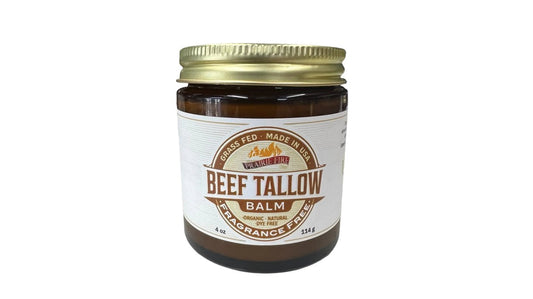
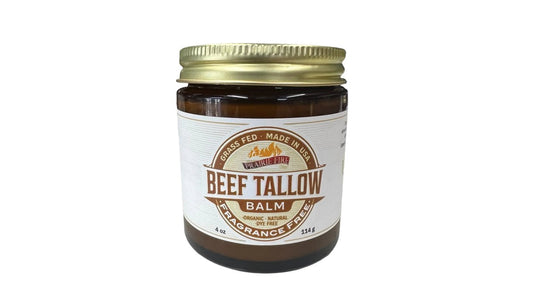
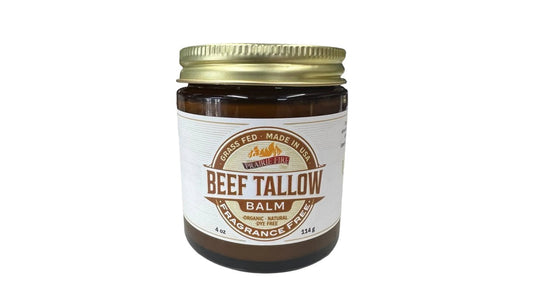
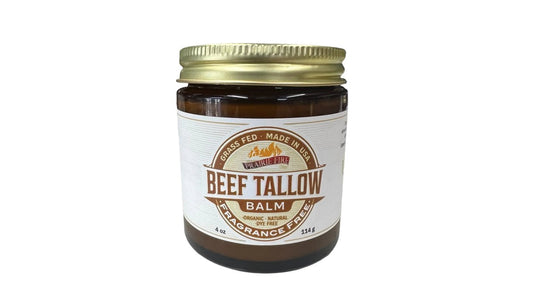
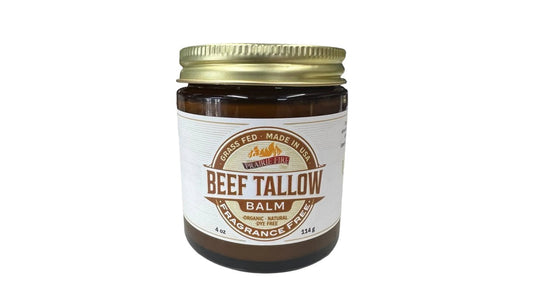
Our Grass Fed Beef Tallow Balm is made for exactly this routine, with a fragrance-free option and a simple two-ingredient base.
How Often to Apply and How Much to Use
Twice a day is a solid starting point: once in the morning and once before bed. During a flare-up, you can apply more often to the driest spots. A little goes a long way with a concentrated balm, so start small and add more only if skin still feels tight.
A practical way to think about frequency: apply after every cleanse and after any activity that leaves skin wet and then dry, such as handwashing or a shower. If you are reapplying more than four or five times a day to the same spot and it still feels tight, the balm is not the missing piece, the skin needs a clinician's look.
Stop Rules: When to Pause the Balm
A protocol is only useful if it tells you when to stop. Pause the balm and reassess if you notice any of the following:
- New or worsening redness, itching, or stinging within minutes to hours of application
- A rash that spreads beyond the area you applied the balm to
- Skin that becomes hot, weepy, or crusted after application
- No improvement in dryness after two to three weeks of consistent use
Stopping early is not a failure. It is the protocol working as intended, filtering out a product that does not suit your skin before it causes a larger flare.
Grass Fed Beef Tallow Balm 4 oz – Organic Natural Skin Moisturizer for Face →
Pro Tip
Keep a small jar in the bathroom and a second one by the sink. The most common reason a balm routine fails is simply that it is not within arm's reach when skin is still damp.
Eczema Flare Treatment: Using Tallow When Skin Is Cracked, Itching, or Weeping
When skin is cracked and itchy, a plain tallow balm can soothe and seal in moisture. Dab a thin layer on the dry, scaling patches and leave the area alone. Resist the urge to scratch, since scratching deepens cracks and invites infection.
Weeping skin is different. If an area is oozing or looks raw, do not coat it in balm. That can trap moisture and bacteria. Keep the area clean and see a doctor if it does not settle.
Watch Out
Never apply a scented balm, or one with essential oils, to cracked or broken skin. It stings, and it can make irritation worse.
Who Tallow Suits, Who Should Skip It, and When to See a Doctor
Tallow balm suits people with dry, sensitive skin who want a simple, fragrance-free moisturizer. It also works well for cracked heels, elbows, and winter-dry hands. If you have a known allergy to beef or dairy, skip it and ask your doctor first.
Some people should be cautious. Anyone with very reactive skin should patch test every new product. Children, people who are pregnant, and anyone with a history of contact allergy should treat tallow as one option among many rather than a default, and should confirm suitability with a clinician who knows their history. Facial skin is thinner and more reactive than body skin, so start with a smaller amount and a shorter trial there.
What the Evidence Actually Shows
It helps to separate three very different kinds of information:
- Laboratory findings: Tallow contains fatty acids and fat-soluble vitamins that play roles in skin biology. These are mechanisms, not proof of benefit in eczema.
- Limited clinical evidence: There is no robust body of clinical trials establishing tallow as an eczema treatment. Most available support is indirect, drawn from what is known about emollients and skin-barrier care generally.
- Personal testimonials: Anecdotes are common and worth listening to, but they cannot establish that tallow treats or cures eczema.
In plain terms: the supplied results do not establish tallow as an eczema treatment or cure. It is a moisturizer with a traditional track record, and it should be positioned as support for the skin barrier, not as a replacement for prescribed eczema care.
When a Moisturizer Is Not Enough
Some situations call for medical care, not a balm:
- Skin that is weeping, crusted, or looks infected
- A flare-up that spreads quickly or will not settle
- Severe itching that disrupts sleep
- Any sign of infection, such as warmth, pus, or fever
- Skin that cracks, bleeds, or becomes painful
Eczema is a medical condition, and a moisturizer is one part of care. Prescribed treatments, including topical corticosteroids and other clinician-recommended therapies, address inflammation in ways a balm cannot. Do not stop or delay prescribed treatment in favor of tallow, and do not apply tallow over a prescription topical unless your clinician has told you it is fine to layer them.
For guidance on standard treatment, the National Eczema Association is a trusted starting point, and the American Academy of Dermatology offers clear advice on when to see a professional.
Watch Out
If you are unsure whether a patch of skin is a flare or an infection, treat it as an infection until a clinician says otherwise. Balm can trap moisture and bacteria on broken skin.
Conclusion: Treat Eczema with Tallow as Support, Not a Cure
Learning how to treat eczema with tallow is really about learning how to support your skin barrier with a rich, simple moisturizer. It can calm dryness and seal in moisture, but it will not cure eczema. Patch test first, keep your formula plain, and see a doctor when skin looks infected or a flare will not settle.
At Prairie Fire Candles, we make small-batch, fragrance-free tallow balms and gentle tallow soap for people who want simple ingredients they can trust. Our balms are dye-free and made without parabens or phthalates.
Get started with Prairie Fire Candles and give your skin a simple, nourishing routine.
Frequently Asked Questions
Can tallow help soothe eczema-prone skin?
Tallow is a rich emollient, and emollients are a standard part of eczema care because they seal in moisture and reduce dryness. Tallow balm's fatty acids and vitamins A, D, and E make it compatible with skin's own oils, which is why many people with dry, irritated skin find it comfortable. That said, no strong clinical trials confirm tallow clears eczema, so treat it as a moisturizing support alongside standard care, not a replacement for prescribed treatment. Stop using it if itching, redness, or scaling worsens.
How should you patch-test tallow balm?
Apply a small amount to the inner forearm or behind the ear and leave it for 24 to 48 hours without washing it off. Watch for itching, redness, swelling, or new bumps. If nothing reacts, test a small area of the eczema-affected skin itself, since broken skin can respond differently. Do one new product at a time so you can tell what caused a reaction. If you have known allergies to ingredients like olive oil or essential oils, check the label first and ask a dermatologist if you are unsure.
Should you use tallow on broken or infected eczema?
Skip tallow on skin that is weeping, oozing, crusted yellow, or warm to the touch, since those signs can point to infection and need medical care rather than a moisturizer. On cracked or dry patches without infection, a thin layer of fragrance-free tallow balm can help seal in moisture after cleansing. Never apply balm over a prescription cream unless your doctor says it is fine, and keep the jar clean by scooping with washed hands or a small spatula to avoid contaminating the product.
When should you see a doctor about an eczema flare?
Contact a doctor or dermatologist if a flare spreads quickly, does not improve after a week or two of consistent moisturizing, or comes with oozing, crusting, fever, or pain, which can signal infection. Also seek care if itching disrupts sleep, if new patches appear on your face or genitals, or if over-the-counter options stop working. A doctor can confirm the diagnosis, rule out conditions like contact dermatitis or fungal infections, and prescribe treatment such as topical steroids when tallow alone is not enough.
This article is for general information and is not medical advice. Talk with a healthcare professional about your eczema care.
Tags:
Related articles
Primally Pure Alternative for Sensitive Skin
Oct 12 2026