

Are Natural Alternatives Better for Sensitive Skin?
Last Updated: November 2, 2026
Quick Summary
The best natural alternatives for sensitive skin are fragrance-free, minimal-ingredient products such as a two-ingredient tallow balm or a 100% olive oil castile bar. Fewer ingredients you can pronounce beat long lists of botanical extracts, since essential oils and plant fragrances commonly trigger reactions. Patch test each new product before committing.
- Fragrance-free formulas scored highest because fragrance is the most common trigger for reactive skin.
- Apply a pea-sized amount of tallow balm to slightly damp skin, since a little goes far.
- Patch test on the inner forearm or behind the ear for two 24-hour checks, then the jawline.
- Introduce one new product every one to two weeks, starting with cleanser, then moisturizer, then treatments.
- See a dermatologist if skin is cracked, bleeding, oozing, or spreading despite gentle care.
Table of Contents
- Quick Comparison: Natural Alternatives for Sensitive Skin
- Best Natural Moisturizer for Sensitive Skin: Tallow Balm
- Natural Ingredients for Sensitive Skin: What to Look For
- Gentle Cleansers: Tallow and Castile Soap Bars
- How to Patch Test Skincare Products Safely
- Tallow Balm for Sensitive Skin: Managing Irritation and Redness
- When to Seek Professional Care for Sensitive Skin
- Choosing Your Prairie Fire Candles Natural Alternative
- Frequently Asked Questions
Quick Comparison: Natural Alternatives for Sensitive Skin
If your skin reacts to everything, the best natural alternatives for sensitive skin come down to a short list of fragrance-free, minimal-ingredient products.
The core problem with most "natural" skincare is that natural does not mean gentle. Essential oils, botanical extracts, and plant fragrances cause reactions in plenty of people with reactive skin.
Below, we walk through what to look for, what to avoid, and how to introduce anything new without a week of regret.
How We Evaluated These Options
We judged each option on four things: ingredient count, fragrance status, whether the formula supports the skin barrier, and how easy it is to introduce slowly. Fragrance-free formulas scored highest because fragrance is the most common trigger for reactive skin. We also favored products made in small batches with short, transparent ingredient lists, since fewer ingredients mean fewer chances of a reaction.
| Product | Key Ingredients | Fragrance | Best For | Price |
|---|---|---|---|---|
| Beef Tallow Balm 4 oz | Grass-fed tallow, olive oil | Fragrance-free option | Dry, reactive skin | $25.99 |
| Pure Real Castile Bar | 100% organic olive oil | Fragrance-free | Very sensitive skin | $9.99 |
| 50/50 Tallow & Olive Oil Bar | Tallow, organic olive oil | Fragrance-free | Daily face and body cleansing | $9.99 |
| Beef Tallow Soap Bar | Grass-fed tallow | Fragrance-free | Dry skin that needs moisture | $9.99 |
Best Natural Moisturizer for Sensitive Skin: Tallow Balm
The best natural moisturizer for sensitive skin is a tallow balm, because its fatty acid profile closely resembles the oils your skin already produces.
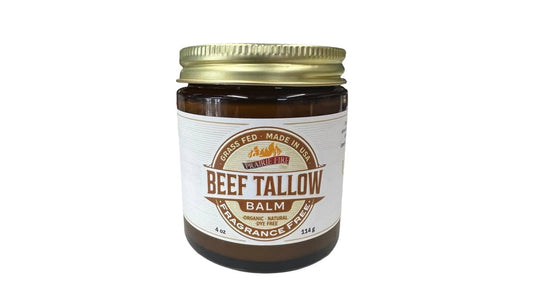
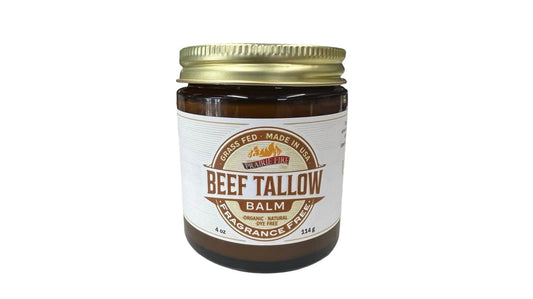
Our grass-fed beef tallow balm is built on exactly that idea: organic tallow from cattle raised on native pasture, blended with cold-pressed extra virgin olive oil.

Why Tallow Balm for Sensitive Skin Works
Tallow is often chosen for dry, reactive skin because it is a traditional, fat-based moisturizer with a simple ingredient list. Its texture is rich and occlusive, which many people find comforting on dry skin.
Watch out: A rich balm can feel heavy if you apply too much. Start with a small amount and build up, especially on oily zones like the T-zone.
Natural Ingredients for Sensitive Skin: What to Look For
Short, recognizable ingredient lists are easier to evaluate when your skin is reactive. The table below describes common ingredients and how strongly each is generally supported, so you can judge how much confidence to place in each.
| Ingredient | What it does | Evidence strength | Best for | Watch-outs |
|---|---|---|---|---|
| Petrolatum-free tallow (grass-fed) | Fatty-acid profile close to human sebum; occlusive barrier support | Traditional use, strong anecdotal reports; limited controlled trials | Dry, reactive, barrier-damaged skin | Heavy if over-applied; not for those avoiding animal products |
| Colloidal oatmeal | Contains avenanthramides, which are associated with reduced itch and redness | Human studies support use in eczema-prone skin; recognized in dermatology practice | Itch, redness, eczema-prone skin | Must be formulated at adequate concentration; check for added fragrance |
| Shea butter | Emollient rich in stearic and oleic acids; softens and conditions | Long traditional use; modest clinical literature | Dryness, flaking | Tree-nut origin; rare but real allergy risk |
| Jojoba oil | Wax ester structurally similar to sebum; lightweight emollient | Traditional use; small studies on barrier support | Daily moisture, oily-but-reactive skin | Can still trigger contact dermatitis in sensitive individuals |
| Squalane (olive- or sugarcane-derived) | Lightweight emollient that helps hold water in the skin | Reasonable clinical support for tolerability | Most skin types, including reactive | Source matters for those with olive sensitivity |
| Olive oil (extra virgin) | Emollient and antioxidant-rich; traditional soap base | Traditional use; some evidence it can impair barrier repair in damaged skin | Intact, dry skin; soap base | Oleic acid can sting compromised skin; patch test first |
| Glycerin | Humectant that draws water into the upper skin layers | Strong, well-established clinical support | Dehydration, tightness | Not occlusive on its own; pair with an emollient |
How to read the evidence column: "Strong clinical support" means multiple human studies and routine use in dermatology. "Traditional use" means the ingredient has a long history but little controlled human research.
Natural Does Not Mean Gentle
This is the point most natural-skincare roundups skip: plant-derived ingredients are a leading source of contact allergy. Essential oils (lavender, tea tree, citrus, peppermint), botanical extracts, and natural fragrances contain volatile compounds that can sensitize skin over repeated exposure.
Common botanical allergens to watch for on labels include essential oils, fragrance mixes, propolis, and certain plant extracts. If you have reacted to a scented "natural" product before, the culprit was more likely a botanical than a synthetic ingredient.
Watch Out
"Fragrance-free" and "unscented" are not the same. Unscented products can contain masking agents that neutralize a smell, while fragrance-free means nothing was added to create or hide a scent. For reactive skin, fragrance-free is the safer label.
Match the Ingredient to the Concern
Sensitive skin is not one condition. Map the ingredient to what you are actually managing:
- Dryness and tightness: tallow, shea butter, squalane, jojoba oil.
- Redness and flushing: colloidal oatmeal, gentle emollients; avoid essential oils and exfoliants.
- Barrier damage (stinging, flaking): occlusives like tallow and petrolatum-free balms; avoid olive oil on compromised skin.
If you want to go deeper on reading tallow labels, our guide to tallow balm ingredients breaks down what each one does.
Ingredients to Avoid
Fragrance-free and dye-free formulas with fewer ingredients are generally easier to evaluate when your skin is reactive.
Gentle Cleansers: Tallow and Castile Soap Bars
For cleansing, a fragrance-free tallow or castile bar is the gentlest starting point. Our fragrance-free castile soap for sensitive skin is made from 100% certified organic extra virgin olive oil and distilled water.
Beef Tallow Soap Bars 3 Pack, Grass Fed, Fragrance Free, Palm Oil Free, Natural →

Tallow bars add a creamy lather, which many people with dry skin find pleasant. A 50/50 blend of tallow and olive oil sits between the two: mild like castile, rich like tallow.
Best for: dry, reactive skin that feels tight after washing. Skip if: you prefer a foaming gel cleanser; bar soap lathers differently.
How to Patch Test Skincare Products Safely
Patch testing is a common way to check how a product sits with your skin before you commit to it. Apply a small amount to a discreet area, wait, and watch for a reaction. It takes a few days, but it is the single most useful habit for anyone with sensitive skin, and almost no natural-skincare guide gives you a real protocol for it.
The Patch-Test Protocol
- Choose the site. Apply a pea-sized amount to your inner forearm or behind your ear. These areas are thin-skinned and easy to observe.
- Leave it untouched for 24 hours. Do not wash the area. Check for redness, itching, swelling, or a burning sensation.
- Repeat for a second 24 hours. A reaction can appear up to 48 hours later, so do not rush this check. Delayed reactions are common with botanical allergens.
- Test on the jawline. If both checks pass, repeat on a small patch of jawline for another 24 hours to confirm facial tolerance.
- Introduce one product at a time. Add a single new product every one to two weeks so you know exactly what caused any reaction.
Pro Tip
Photograph the test site at each check. Subtle redness is easy to miss in the mirror but obvious in a side-by-side photo.
Irritation vs. Allergy: Know the Difference
Not every reaction means the same thing. Irritation is a direct response to a harsh or drying ingredient, it typically appears quickly, stings or burns, and settles when you stop using the product. Allergy is an immune response that can develop after repeated exposure; it often shows up as a delayed, spreading rash and may worsen with each use. If a product that once suited you suddenly causes a rash, stop using it and treat it as a possible allergy rather than pushing through.
Product-Introduction Schedule
If you are rebuilding a routine for reactive skin, introduce products in this order, spacing each by one to two weeks:
- Cleanser, the product that stays on your skin least, so start here.
- Moisturizer or balm, the product that stays on longest and does the most barrier work.
- Treatment or targeted product, anything with active botanicals, introduced last and one at a time.
Keep the rest of your routine unchanged during each test window. If you change two things at once and react, you will not know which one to blame.
Watch Out
At-home patch testing cannot identify a specific allergen the way a clinic patch test can. If you react repeatedly to products that share an ingredient, a dermatologist can test for the specific allergen.
Tallow Balm for Sensitive Skin: Managing Irritation and Redness
Some people with dry, easily irritated skin find a simple tallow balm comforting on tight, flaky areas. It is not a treatment for a medical condition.
The key is a gentle routine: cleanse with a fragrance-free bar, pat dry, and apply balm to slightly damp skin. If you are managing eczema-prone skin, our step-by-step guide on how to treat eczema with tallow walks through the full routine.
When to Seek Professional Care for Sensitive Skin
See a dermatologist if your skin is cracked, bleeding, oozing, or spreading despite gentle care. Persistent rashes, swelling, or reactions that do not settle within a few days are worth a professional look. A patch test done in a clinic can also identify specific allergens that at-home testing cannot.
Natural products can help manage everyday dryness and sensitivity, but they are not a substitute for medical care when something is genuinely wrong.
Choosing Your Prairie Fire Candles Natural Alternative
Every product in this guide is fragrance-free, dye-free, and made with a short ingredient list, because that is what reactive skin needs. If you are comparing brands, our breakdown of a sensitive-skin alternative shows how our approach differs: grass-fed tallow, organic olive oil, and nothing added to mask a scent.
Start with a single tallow balm or castile bar and patch test it before you commit. For most people with sensitive skin, the simplest formula is the one that finally works.
Frequently Asked Questions
Can natural skincare products irritate sensitive skin?
Yes. Natural does not automatically mean gentle. Essential oils, botanical extracts, and even some plant-based emulsifiers can trigger reactions in reactive skin. The safest approach is to choose fragrance-free, dye-free formulas with short ingredient lists, then patch test before full use. Prairie Fire's fragrance-free tallow balm and castile soap are formulated with short ingredient lists.
What ingredients should people with sensitive skin avoid?
Watch for synthetic fragrance, essential oils, dyes, sulfates, parabens, phthalates, and harsh detergents. These are common triggers for redness, itching, and barrier disruption. Also be cautious with exfoliating acids and alcohol-based toners. A short, transparent ingredient list is easier to evaluate. Prairie Fire's fragrance-free tallow soap bars are made with grass-fed beef tallow, water, and sodium hydroxide (lye).
Is tallow balm suitable for sensitive skin?
Tallow balm is a traditional moisturizer that some people with sensitive skin find suitable. Prairie Fire's balm is made with organic grass-fed beef tallow and cold-pressed extra virgin olive oil, and a fragrance-free option is available. Still, patch test first, especially if you have eczema or rosacea, and introduce it slowly into your routine.
How should I patch test a new skincare product?
Apply a small amount to a quarter-sized area on your inner forearm or behind your ear. Wait 24 to 48 hours and check for redness, itching, or swelling. If no reaction appears, test again on a small area of your face. Stop immediately if irritation develops. Keep a log of products and reactions so you can identify patterns over time.
How long does it take to see results from a natural skincare routine?
Results vary by skin type and by the products used, and how gently new products are introduced can make a difference. Give each new product at least two weeks before judging, and avoid changing multiple products at once.
If your skin has reacted to one "natural" product after another, the fix is usually fewer ingredients, not more. Prairie Fire Candles makes fragrance-free tallow balms and castile bars with short, transparent formulas, handcrafted in small batches and free from parabens, phthalates, and synthetic fragrance. Get started with Prairie Fire Candles and build a gentle routine your skin can actually tolerate.

Tags:
Related articles
Is Grass Fed Tallow Sustainable? A Balanced Look
Oct 31 2026
How Can You Reduce Plastic Waste at Home?
Oct 26 2026
How to Understand Why Artisan Candles Cost More
Oct 24 2026
Tallow Balm vs Plant-Based Oils: Which to Choose
Oct 20 2026