
Organic Skincare Without Harmful Additives: 7 Best Picks
Table of Contents
- What "Organic Skincare Without Harmful Additives" Actually Means on a Label
- Skincare Ingredients to Avoid if Your Skin Reacts Easily
- 1. Grass Fed Beef Tallow Balm 4 oz ($25.99)
- 2. Pure Real Castile Single Bar ($9.99)
- 3. Organic Olive Oil & Grass Fed Beef Tallow Soap 50/50 ($9.99)
- 4. Beef Tallow Soap Bars 3 Pack ($26.99)
- 5. Grass Fed Beef Tallow Balm 8 oz ($35.99)
- 6. Grass Fed Beef Tallow Balm 2 oz ($19.99)
- 7. Pure Beef Tallow Soap Sample Bars ($2.79)
- Frequently Asked Questions
Last Updated: October 7, 2026
What "Organic Skincare Without Harmful Additives" Actually Means on a Label
The word "organic" on a skincare label is not a regulated claim in the United States. Department of Agriculture does run a certified organic program for agricultural ingredients, and you can read its rules through the USDA National Organic Program, but a finished lotion or soap is not automatically covered just because one ingredient was grown organically.
At Prairie Fire Candles, we have made fragrance-free skincare since 2008, and we have watched the same pattern repeat: a customer reacts to a product, reads the label, and finds a dozen words they cannot pronounce. This guide breaks down what these terms mean, which ingredients to avoid if your skin reacts easily, and seven organic skincare picks without harmful additives.
Organic, Natural, Clean, and Non-Toxic Are Not the Same Thing
Organic means the ingredient was grown under a certified agricultural standard. Natural means it came from a plant, mineral, or animal source, but it says nothing about how it was processed. Clean is a marketing term with no legal definition. Non-toxic is a safety claim, not a sourcing claim.
That distinction matters because a product can be natural and still trigger a reaction. Poison ivy is natural, and so is fragrance made from essential oils, a common trigger for sensitive skin.
How to Verify a Certification or Ingredient Claim
Start with the ingredient list, not the front of the package. Ingredients appear in descending order by weight, so the first three or four names tell you what the product mostly is.
Then check the certification. A USDA organic seal on a multi-ingredient cosmetic requires at least 95% certified organic content, excluding water and salt; a "made with organic ingredients" claim requires at least 70%. Anything below that cannot carry the seal.
Pro Tip
If a brand claims "chemical-free," treat it as a red flag. Water is a chemical. So is every oil in the bottle. The honest version of that claim is "free from the specific additives we avoid," and a brand confident in its formula will say so plainly.

Skincare Ingredients to Avoid if Your Skin Reacts Easily
The short list of skincare ingredients to avoid for reactive skin includes synthetic fragrance, parabens, phthalates, sulfates, formaldehyde-releasing preservatives, and dyes.
Fragrance is the biggest one. "Fragrance" on a label can legally stand in for dozens of undisclosed compounds and is one of the most common causes of allergic contact dermatitis in cosmetics.
Parabens and phthalates get most of the headlines. The evidence on dose and long-term effects is still debated, but for someone already reacting to products, avoiding them costs little.
Sulfates strip oils and leave skin tight, the opposite of what a compromised skin barrier needs. Sodium lauryl sulfate (SLS) is the harsher common one; sodium laureth sulfate (SLES) is milder but can still sting compromised skin.
Dose, Exposure, and Concentration: Why "Toxic" Is the Wrong Frame
Here is the context most "clean beauty" content skips: hazard is not the same as risk. A substance can be hazardous at high concentration and harmless at the trace level in a finished formula. Risk depends on how hazardous the ingredient is, how much you are exposed to, and how long the exposure lasts.
This is why blanket claims like "chemical-free" or "toxin-free" do not hold up. Water is a chemical; every plant oil is a chemical.
Preservatives, Shelf Life, and Contamination Risk
Preservatives exist because water-based products grow bacteria. A lotion with water and no preservative is a petri dish: gram-negative bacteria, mold, and yeast can colonize it within days, and the contamination can cause infections, especially on broken or eczema-prone skin.
That is why anhydrous formulas, meaning formulas with no water at all, are so common in minimalist skincare. Our tallow balms contain only beef tallow and cold pressed extra virgin olive oil.

Shelf life follows the same rule.
Watch Out
Never add water, aloe, or a hydrosol to an anhydrous balm to "stretch" it. You introduce water into a formula with no preservative system, and contamination risk climbs fast. Use it as formulated.
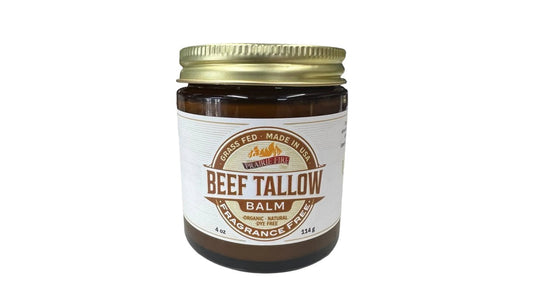
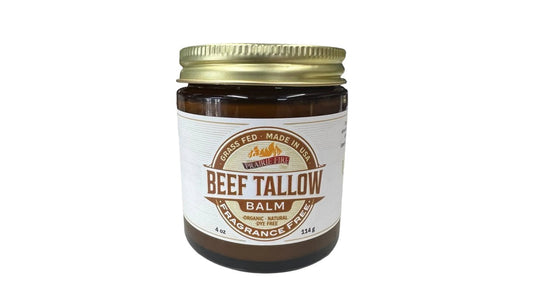
1. Grass Fed Beef Tallow Balm 4 oz ($25.99)
Our top overall pick is the 4 oz Grass Fed Beef Tallow Balm, the size most people should start with: enough to use daily for weeks, small enough to keep on a nightstand.
Tallow's fatty acid profile sits close to the oils human skin produces, so it absorbs rather than sits on top, and it carries naturally occurring vitamins A, D, E, and K. The fragrance-free version has no added scent and no masking agents, which we recommend for anyone with a fragrance sensitivity.
Use it as a face moisturizer, a hand cream, or a treatment for cracked heels. Apply to slightly damp skin and a pea-sized amount covers the face.
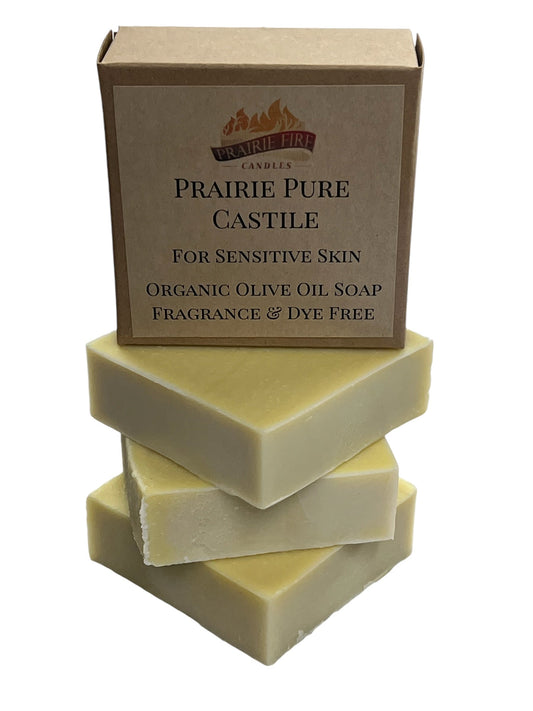
2. Pure Real Castile Single Bar ($9.99)
If you want the simplest possible cleanser, this is it. The Pure Real Castile bar is 100% certified organic extra virgin olive oil and distilled water, made with the centuries-old cold process method and aged over 60 days.

It produces a mild, buttery lather that helps skin retain its natural oils instead of stripping them, and it is hypoallergenic, vegan, and always dye-free. For sensitive skin that reacts to commercial body wash, this is the least complicated swap you can make.
One caveat: because there are no chemical hardeners, the bar softens faster if it sits in water. Keep it on a draining dish.
Grass Fed Beef Tallow Balm 4 oz – Organic Natural Skin Moisturizer for Face →
3. Organic Olive Oil & Grass Fed Beef Tallow Soap 50/50 ($9.99)
This bar exists because customers could not decide between our two soaps, so we stopped making them choose. It is a true 50/50 blend of certified organic extra virgin olive oil and organic grass-fed beef tallow.

The olive oil brings a gentle, conditioning clean; the tallow brings a firm bar, creamy lather, and fatty acids that support the skin barrier. The result is a long-lasting everyday bar for hands, face, and body.
It is fragrance-free, dye-free, and palm oil free, with no parabens or phthalates. For dry or sensitive skin, this is the middle ground that suits the widest range of people.
Key Takeaway
If you are unsure which soap to start with, the 50/50 bar is the safest first purchase. It combines the mildness of castile with the moisturizing character of tallow, so it rarely disappoints either skin type.
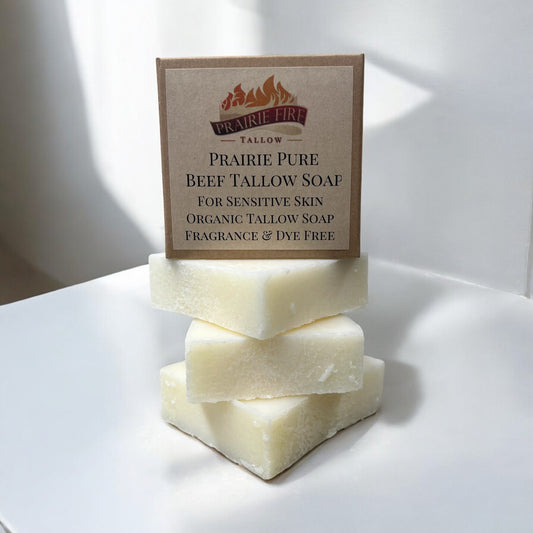
4. Beef Tallow Soap Bars 3 Pack ($26.99)
Buying single bars gets expensive, which is the only real argument for the 3 pack: three 4.5 oz bars, 13.5 oz total, at a lower cost per ounce than buying individually.
The formula is grass-fed and finished beef tallow, water, and sodium hydroxide. The lye is fully consumed during saponification, so it is not present in the cured bar. No parabens, phthalates, palm oil, dyes, artificial fragrance, sulfates, or harsh detergents.
This is the pick for a household that has already committed to fragrance-free soap and wants to stop reordering every few weeks.
5. Grass Fed Beef Tallow Balm 8 oz ($35.99)
The 8 oz balm is the value size, recommended for anyone using tallow daily on face and body. Because the formula is concentrated and water-free, an 8 oz jar lasts considerably longer than the same weight of lotion.
Same two core ingredients: organic grass-fed beef tallow and cold pressed extra virgin olive oil. Same fragrance-free option. Same dye-free, paraben-free, phthalate-free formula.
If you have dry skin on your legs, arms, and hands, not just your face, this is the jar that makes sense. If you are still testing whether tallow works for you, start with the 2 oz instead.
6. Grass Fed Beef Tallow Balm 2 oz ($19.99)
The 2 oz jar is the trial size, and we would rather you start here than commit to a large jar you are unsure about. It is the same formula in a smaller format, which makes it right for patch testing.
Here is how to patch test skincare properly: apply a small amount to the inside of your forearm, twice daily for three to five days, and leave it alone. Do not test it on your face first. If you see redness, itching, or swelling, stop and discontinue use. If your skin stays calm, you have your answer.
This size also works as a lip balm, a travel jar, or a hand balm for a desk drawer.
7. Pure Beef Tallow Soap Sample Bars ($2.79)
The sample bars are two mini bars, 1.20 oz total, made from triple rendered grass-fed beef tallow and distilled water. That is the entire formula: two ingredients, no preservatives, no fragrance, no dyes.
This is the lowest-risk way to find out whether a tallow soap suits your skin before buying a full bar, and the practical answer for travel and guest bathrooms.
For anyone managing severe eczema or a long list of product reactions, starting with a sample is not indecision. It is the smart sequence.
| Product | Price | Size | Best For |
|---|---|---|---|
| Tallow Balm 4 oz | $25.99 | 4 oz | First full-size balm |
| Pure Real Castile Single | $9.99 | 4.25 oz | Simplest cleanser |
| Olive Oil & Tallow Soap 50/50 | $9.99 | 4.25 oz | Dry or sensitive skin |
| Tallow Soap 3 Pack | $26.99 | 13.5 oz | Household restock |
| Tallow Balm 8 oz | $35.99 | 8 oz | Daily face and body use |
| Tallow Balm 2 oz | $19.99 | 2 oz | Patch testing |
| Tallow Soap Sample Bars | $2.79 | 1.20 oz | Lowest-risk trial |
Reactive skin makes every new product a gamble, and the label does not always tell you the truth.
Frequently Asked Questions
What ingredients should not be in skincare?
The short list most dermatologists and label readers flag: parabens, phthalates, formaldehyde-releasing preservatives, sulfates (SLS and SLES), synthetic fragrance, and artificial dyes. Synthetic fragrance is the single most common trigger for contact reactions because a "fragrance" entry on a label can hide dozens of undeclared compounds. If you react easily, treat "fragrance" and "parfum" as red flags and look for products that state fragrance free rather than unscented, since unscented items can still contain masking agents.
How can you tell if skincare is truly organic?
Check the label for a certification, not the marketing copy. In the US, the USDA Organic seal means at least 95% of ingredients (excluding water and salt) are certified organic. The word "organic" alone on a front panel is not regulated the same way. For tallow and other animal-derived ingredients, certification is uncommon, so look for a full ingredient list, a named source, and a brand willing to answer questions about how the fat was rendered and where it came from.
Is organic skincare better for sensitive skin?
Not automatically. Organic ingredients can still irritate skin, and essential oils are a frequent culprit even when they are certified organic. What usually helps sensitive skin is a short ingredient list, no synthetic fragrance, no dyes, and a formula that supports the skin barrier instead of stripping it. A two-ingredient balm made from grass-fed beef tallow and cold pressed olive oil gives you fewer things to react to than a 30-ingredient lotion, organic or not.
What skincare has the least ingredients?
Traditional bar soaps and balms sit at the bottom of the ingredient-count list. Prairie Fire's Pure Beef Tallow Soap sample bars and full-size bars list grass-fed beef tallow, water, and sodium hydroxide, which is fully consumed during saponification and is not present in the cured bar. The tallow balms are even simpler: beef tallow and cold pressed extra virgin olive oil, with essential oils added only in the scented versions. Fewer ingredients means fewer variables when you are tracking down a reaction.
How do you patch test a new skincare product?
Apply a small amount to a quarter-sized patch of skin on your inner forearm or behind your ear, then leave it alone for 24 to 48 hours. Wash it off if you feel burning or itching. If the patch stays calm, repeat on a small area of your face before using it everywhere. Keep testing one new product at a time so you know exactly what caused a reaction, and start with the fragrance free version if a brand offers both.
Tags:
Related articles
How to Soothe Eczema with Tallow: A Gentle Guide
Oct 01 2026
Grass-Fed Beef Tallow for Skin: A How-To Guide
Sep 30 2026