
7 Natural Alternatives to Synthetic Fragrance Candles
Table of Contents
- Why Choose Natural Alternatives to Synthetic Fragrance Candles
- 1. Soy Wax Candles with Essential Oils and Fine Fragrance
- 2. Wax Melts and Electric Warmers for Flame-Free Fragrance
- 3. Essential Oil Diffusers vs Candles: A Cleaner Approach
- 4. Simmer Pots with Citrus, Herbs, and Spices
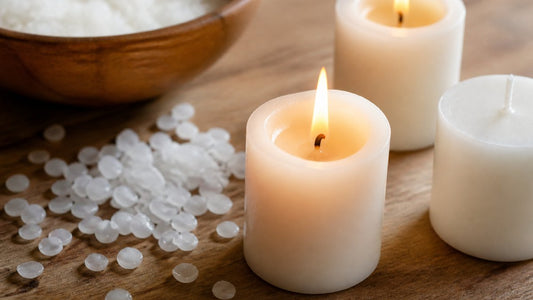
- 5. Beeswax Candles and Tea Lights
- Healthier Alternatives to Scented Candles for Sensitive Households
- Natural Ways to Make Your Home Smell Good Without Synthetic Fragrance
- Frequently Asked Questions
Last Updated: October 9, 2026
Why Choose Natural Alternatives to Synthetic Fragrance Candles
Conventional candles made with paraffin wax and synthetic fragrance release compounds into your home that many people find concerning. Paraffin is a petroleum byproduct, and mass-market fragrance oils often contain phthalates, dyes, and other additives some households want to avoid. If you're searching for natural alternatives to synthetic fragrance candles, you want options that feel cleaner, safer, and more aligned with how you want to live.
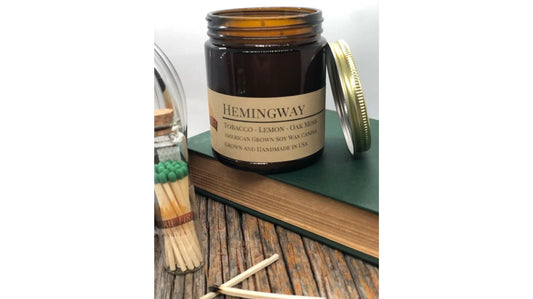
At Prairie Fire Candles, we understand this shift. Our handcrafted soy wax candles use phthalate-free and paraben-free fine fragrance oil, made in the USA on our farm. Beyond our own products, several proven alternatives are worth exploring if you're rethinking what burns in your home.

The real question is which option fits your household, your budget, and your concerns about indoor air quality and fragrance sensitivity.
1. Soy Wax Candles with Essential Oils and Fine Fragrance
Soy wax candles are the most direct swap for conventional paraffin candles. They burn cleaner, last longer, and eliminate petroleum-based wax entirely. Our Prairie Sage soy wax candle delivers 50+ hours of burn time from a 9 oz jar, using 100% American-grown soy wax that's biodegradable and non-GMO. The wick is braided American cotton with no lead or zinc, and the fragrance blend includes rosemary, sage, and eucalyptus.
Soy candles produce less soot than paraffin, and the wax is renewable and fully biodegradable, so leftover wax won't persist in landfills the way petroleum-based wax does.
Pro Tip
Trim the wick to 1/4 inch before each burn. This simple step prevents excess smoke and ensures an even melt pool, which extends burn time and reduces emissions.
The trade-off is cost: soy candles run higher than mass-market paraffin because the wax costs more and hand-pouring takes time. Our soy candles are priced at $19.99 each. For households sensitive to fragrance, look for candles scented with essential oils rather than synthetic fragrance alone. Our Provence (Lavender) Soy Wax Candle blends lavender, citrus, and bergamot using fine fragrance oil.

2. Wax Melts and Electric Warmers for Flame-Free Fragrance
If open flames concern you, wax melts eliminate that worry. They warm slowly in an electric warmer, releasing scent without combustion, smoke, or fire risk. Our soy wax melts come in 6-cube packs at $3.99, made from the same 100% American-grown soy wax as our candles, phthalate-free and paraben-free.

Wax melts are ideal for households with pets or small children: no flame to knock over, no hot wax to spill, no wick to trim. Place one or two cubes in a warmer and let the heat do the work.
Best For
Families with young children or curious pets, offices where open flames aren't permitted, and anyone who wants flame-free fragrance without sacrificing scent quality.
The downside: wax melts require an electric warmer, adding upfront cost, and you lose the aesthetic appeal of a burning flame.
3. Essential Oil Diffusers vs Candles: A Cleaner Approach
Essential oil diffusers use ultrasonic vibration or heat to break pure essential oils into a fine mist. Unlike candles, there's no combustion, no byproducts, and no open flame, making diffusers the cleanest option if you're concerned about fragrance emissions or indoor air quality.
The advantage is control: you choose the oils, intensity, and run time, and most diffusers have timers. They're portable, so you can move one room to room.
The limitation: diffusers don't provide the ambient warmth or visual appeal of a candle, require regular cleaning to prevent mold or mineral buildup, and need frequent refills.
4. Simmer Pots with Citrus, Herbs, and Spices
A simmer pot is one of the simplest, most chemical-free ways to scent your home. Fill a small pot with water, add orange peels, cinnamon sticks, cloves, rosemary sprigs, or other dried herbs and spices, and let it simmer gently on the stove. The steam carries the aroma through your kitchen and adjacent rooms.
What you get: zero synthetic fragrance, zero emissions beyond water vapor, and the genuine scent of real ingredients. A simmer pot costs almost nothing if you use kitchen scraps, orange peels, cinnamon sticks, fresh rosemary clippings all work beautifully.
The challenge: simmer pots require active attention, monitor water levels, refill as it evaporates, and don't let the pot boil dry. They only scent the immediate area and rooms connected to your kitchen, so they won't work whole-house. And if you're away or sleeping, a simmering pot isn't practical or safe.
5. Beeswax Candles and Tea Lights
Beeswax candles are a natural fragrance candle option. Beeswax is a renewable resource produced by honeybees. When beeswax burns, it releases negative ions that can help neutralize airborne particles.
The scent is subtle and naturally honey-like. Many beeswax candles are unscented or lightly scented with essential oils, appealing to people sensitive to fragrance.
The trade-off is price and availability. Beeswax is significantly more expensive than soy or paraffin because beekeeping operations produce it in limited quantities. Beeswax candles are also less widely available in mainstream retail, so sourcing them often requires specialty retailers or online shopping.
Healthier Alternatives to Scented Candles for Sensitive Households
Safe Options for Pets, Infants, and Asthma Sufferers
If your household includes pets, infants, or people with asthma or fragrance sensitivities, conventional scented candles may be a concern. Pets have more sensitive respiratory systems than humans, and some fragrance compounds can trigger respiratory distress in animals. Infants' lungs are still developing, and many pediatricians suggest minimizing exposure to synthetic fragrance and combustion byproducts during critical growth periods.
For pet-safe fragrance, wax melts in an electric warmer are a safer option than open-flame candles, no combustion means no smoke or fumes to irritate sensitive airways. Keep the warmer out of reach so curious pets can't knock it over or ingest warm wax.
For infants, skip scented products entirely during the first few months, then introduce only unscented or very lightly essential-oil-scented options in well-ventilated spaces.
Soy Wax Melts | Wax Cubes | Wickless Candles | Small Batch | Vegan →
For asthma sufferers, diffusers are often a good option because they introduce no combustion byproducts. However, some people with asthma react to essential oils themselves, so start with very short sessions and monitor for symptoms. Unscented soy wax candles with cotton wicks are a safer option than fragranced ones if you want the visual comfort of a burning candle.
Understanding Fragrance Emissions and Health Claims
"Fragrance emissions" refers to volatile organic compounds (VOCs) released when a candle burns or a fragrance product is used.
Here's what matters: the VOCs released by a single candle in a well-ventilated room are generally considered low risk by most health authorities. But burning multiple scented candles in a poorly ventilated space lets VOC levels accumulate. People with asthma, scent-triggered migraines, or multiple chemical sensitivities may react to even low levels.
Many "non-toxic" or "clean" candle brands make impressive-sounding health claims that are hard to verify. Terms like "non-toxic," "clean-burning," and "safe" aren't regulated by the FDA for candles, so any brand can use them. What matters is the ingredient list: phthalate-free fragrance, lead-free wick, and plant-based wax are verifiable. Look for candles that disclose ingredients rather than making broad health claims.
Natural Ways to Make Your Home Smell Good Without Synthetic Fragrance
Room Sprays and Linen Sprays with Essential Oils
Room and linen sprays made with essential oils offer instant, adjustable fragrance without burn time or heat. A simple spray is water, a small amount of essential oil, and sometimes a touch of witch hazel to distribute the oil evenly. You control exactly how much scent you introduce and when.
The advantage is immediacy: spray a room and it smells fresh within seconds. Linen sprays are especially useful for refreshing bedding, curtains, and upholstered furniture without washing.
The limitation: the scent is temporary. Essential oils can also stain some fabrics, so test on a hidden area before spraying upholstered items.
Olive Oil Lamps: A Clean-Burning Alternative
Our Olive Oil Candle Lamp is one of the oldest and cleanest ways to create light and gentle warmth.
What makes it unique: it's safe since it can't catch on fire if tipped over as the oil will douse the wick and the oil isn't combustible like petroleum. You can infuse the olive oil with dried herbs or essential oils for subtle fragrance.
The trade-off: olive oil lamps produce less light and heat than candles, so they're not practical for primary fragrance or lighting. They work best as a decorative accent, meditation focus, or backup light during power outages. At $24.99, the lamp is an investment.
| Alternative | Flame Required | Scent Duration | Best For | Cost per Use |
|---|---|---|---|---|
| Soy wax candles | Yes | 50+ hours | Long-lasting fragrance, visual ambiance | Moderate |
| Wax melts | No | 20-40 hours | Flame-free homes, pets, children | Low |
| Essential oil diffusers | No | 1-8 hours | Respiratory sensitivity, control | Moderate |
| Simmer pots | Yes | 1-4 hours | Chemical-free, zero waste | Very low |
| Beeswax candles | Yes | 60+ hours | Air purification, luxury | High |
| Room sprays | No | 30 min-2 hours | Instant refresh, targeted areas | Low |
| Olive oil lamps | Yes | 12 hours | Ambiance, emergency backup | Moderate |
The best natural alternative to synthetic fragrance candles depends on your household's priorities. For the ritual of a burning candle with cleaner ingredients, choose soy wax or beeswax.
At Prairie Fire Candles, we recommend starting with what fits your daily routine.
The shift away from synthetic fragrance candles isn't about perfection. It's about making intentional choices with the products you bring into your home, especially if you or your family have sensitivities or respiratory concerns.
Making the switch to natural alternatives to synthetic fragrance candles starts with understanding what's actually in conventional options and what your household needs most. Whether it's the long burn time of soy wax, the flame-free safety of wax melts, or the clean-air benefits of a diffuser, quality home fragrance doesn't require synthetic chemicals to be effective.
Many households find combining methods works best: a soy candle for evening ambiance, a diffuser for daytime freshness, and a simmer pot on weekends when you're home to monitor it.
Start with understanding fragrance ingredient labeling so you know exactly what you're bringing into your home. Then choose the alternative that aligns with your lifestyle. Your indoor air quality, and your peace of mind, will thank you.
Frequently Asked Questions
What are the main health concerns with synthetic fragrance candles?
Conventional candles made with paraffin wax and synthetic fragrance can release petrochemicals and volatile organic compounds when burned. Paraffin is a petroleum byproduct that may emit harmful substances into indoor air. Synthetic fragrances often contain phthalates, which are chemicals linked to endocrine disruption. Natural alternatives like soy wax candles, essential oil diffusers, and simmer pots eliminate these concerns by using renewable, plant-based materials and natural fragrance sources.
Are beeswax candles a natural alternative to scented candles?
Yes, beeswax candles are a natural alternative. Beeswax burns cleanly and slowly, producing a bright, warm flame without the toxins found in paraffin. Unlike synthetic fragrance candles, pure beeswax produces a subtle, natural honey scent without added chemicals, making it ideal for people with fragrance sensitivities or respiratory concerns.
How do essential oil diffusers compare to candles for scenting a home?
Essential oil diffusers offer several advantages over candles. They require no flame, making them safer around pets and children, and they don't produce smoke or emissions like burning candles do. Diffusers disperse pure essential oils into the air without heat. However, candles provide ambiance and warmth that diffusers cannot. Many people use both: diffusers for daily fragrance and non-toxic candles for atmosphere and relaxation.
What should I look for on candle labels to ensure they're non-toxic?
Check for soy wax, coconut wax, or beeswax instead of paraffin. Look for lead-free and zinc-free wicks. Verify that fragrances are labeled as phthalate-free and paraben-free. Avoid candles with added dyes or synthetic fragrance blends. Natural alternatives should list specific fine fragrance oils without vague terms like 'fragrance blend.' Handcrafted candles made in the USA often provide transparency about sourcing and manufacturing practices.
Can I use natural fragrance alternatives if I have migraines or asthma?
Yes, several options work well for sensitive individuals. Flame-free wax melts with electric warmers eliminate smoke and emissions entirely. Simmer pots with citrus peels, cinnamon sticks, and herbs offer gentle, natural scent without concentrated fragrance. Avoid essential oil diffusers if you're sensitive to concentrated aromas; instead, try subtle options like olive oil lamps or simply opening windows for ventilation. Always test new products in small doses to monitor your response.
Tags:
Related articles
How to Soothe Eczema with Tallow: A Gentle Guide
Oct 01 2026
Grass-Fed Beef Tallow for Skin: A How-To Guide
Sep 30 2026